The British Occupation of Hong Kong Island: January 20, 1841
1841 · Hong Kong, China
Hong Kong Island was occupied by the British during the First Opium War, leading to its eventual cession to Britain and becoming a significant colonial outpost.
June 26, 1843
Hong Kong was proclaimed a crown colony of the British Empire. The island had been ceded to Britain in 1841, during the First Opium War, and its formal governance now marked the start of a significant chapter in colonial and global trade history.
Hong Kong, British Empire | British Empire
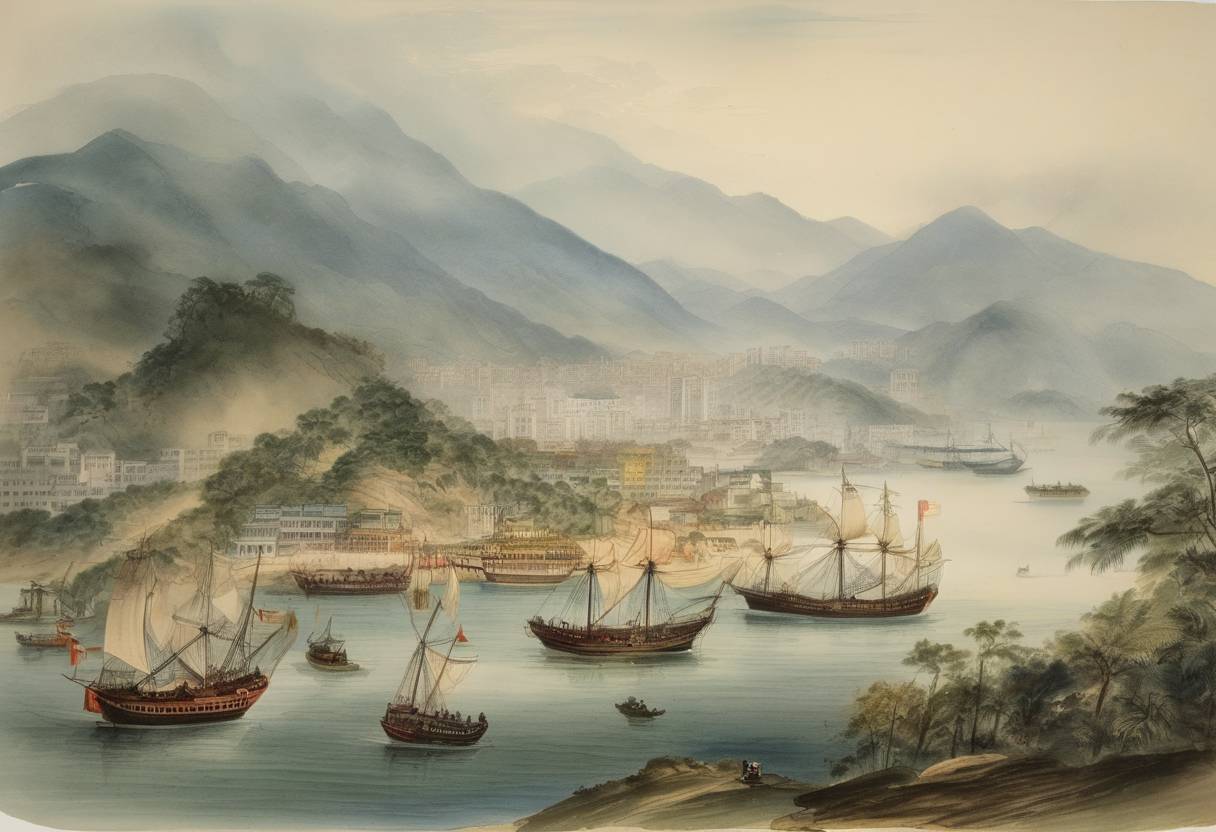
On June 26, 1843, Hong Kong was officially proclaimed a Crown Colony of the British Empire, marking a pivotal moment in the region’s history and the larger context of colonial expansion and global trade. This proclamation followed the conclusion of the First Opium War (1839-1842) between Britain and the Qing Dynasty of China, which had significant implications for the control of trade routes and geopolitical influence.
First Opium War: Initiated due to trade disputes and diplomatic disagreements over the opium trade, the war was a turning point in Sino-British relations. The conflict stemmed largely from Britain’s desire to balance trade with China, which led to the export of opium from British India to China.
Treaty of Nanking: Signed on August 29, 1842, this treaty ended the First Opium War and included the cession of Hong Kong Island to Britain. As part of the agreement, China opened several ports to British trade and granted extraterritorial rights to British citizens.
Governance: The proclamation of Hong Kong as a Crown Colony solidified British administrative and legal control over the territory, which was strategically located along the South China Sea. This facilitated the establishment of a free port and played a critical role in expanding British trade networks in Asia.
Infrastructure Development: Following the proclamation, the British focused on developing Hong Kong’s infrastructure, including harbors, roads, and government buildings, laying the groundwork for its transformation into an international trade hub.
Economic Implications: Hong Kong’s status as a Crown Colony enabled it to serve as a central point for commercial activities in the region, attracting international businesses and boosting trade between the East and the West.
Rise as a Trade Hub: Within a few decades, Hong Kong rapidly transformed into a bustling port city, crucial for British and international trade. Its strategic location helped increase the flow of goods, information, and people across continents.
Cultural and Political Changes: The British influence in Hong Kong brought about significant shifts in cultural dynamics and governance practices, which led to lasting impacts that persisted even after the region’s 1997 handover back to China.
The establishment of Hong Kong as a Crown Colony marked the beginning of its unique colonial chapter, setting the stage for its development into a major global financial center. This event explicitly tied Hong Kong’s destiny to both British imperial ambitions and the complexities of Sino-British relations that would unfold over the ensuing century and beyond.
Source: www.britannica.com