Tadeusz Mazowiecki Nominated as Prime Minister
1989 · Warsaw, Poland
Polish president Wojciech Jaruzelski nominates Solidarity activist Tadeusz Mazowiecki to be the first non-communist prime minister in Eastern Europe in over 40 years.
August 14, 1980
Lech Wałęsa led a strike at the Lenin Shipyard in Gdańsk, Poland, which eventually led to the formation of the Solidarity movement.
Gdańsk, Poland | Solidarity
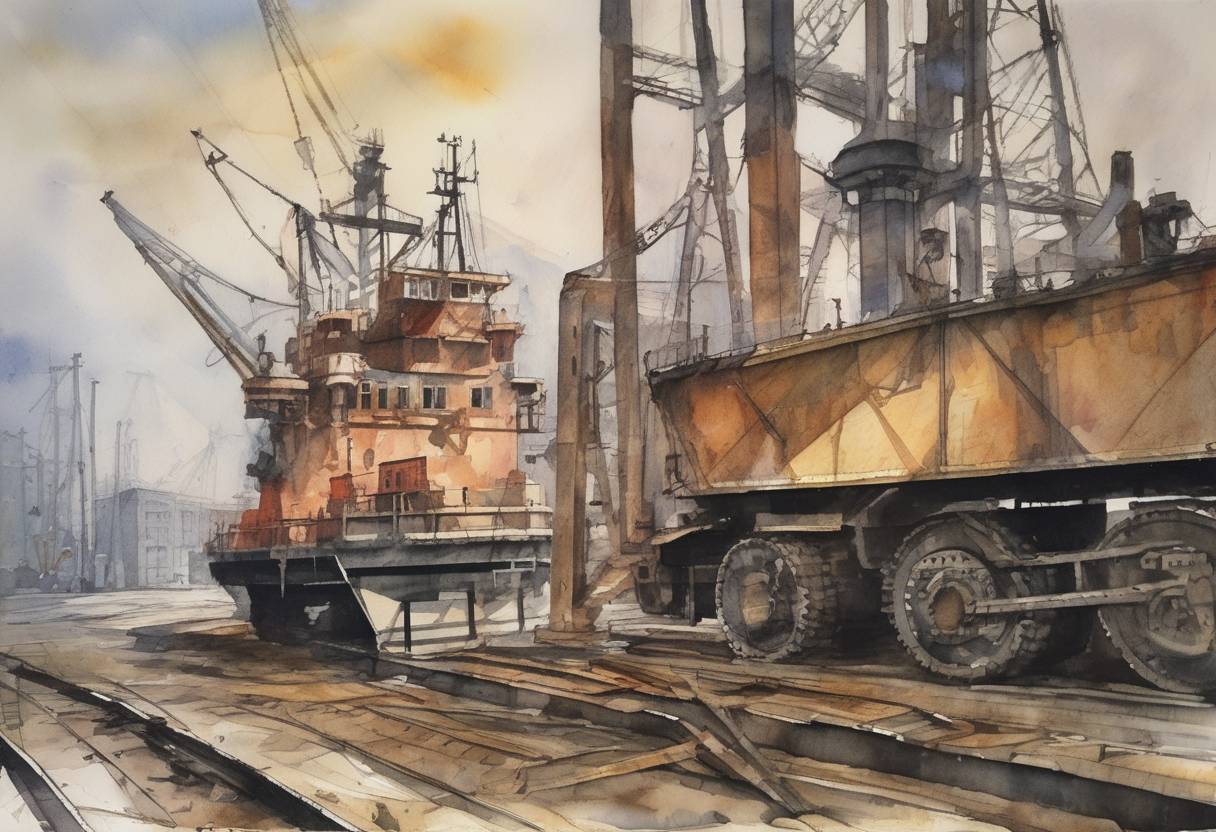
On August 14, 1980, a pivotal event unfolded at the Lenin Shipyard in Gdańsk, Poland, which would significantly alter the course of Polish history and contribute to the eventual decline of communist influence in Eastern Europe. This event was the strike led by Lech Wałęsa, a charismatic electrician and activist, which laid the groundwork for the formation of the Solidarity movement.
Throughout the 1970s, Poland, like many Eastern Bloc countries, was experiencing economic difficulties, including rising inflation and food shortages. The Polish government, under communist rule, faced growing discontent among workers and citizens. Previous protests, such as the 1970 and 1976 workers’ strikes, had been met with harsh repression, but they highlighted the deep-seated grievances against the regime.
In July 1980, the government announced a sudden increase in meat prices, sparking a wave of strikes across the country. Workers were demanding better living conditions, higher wages, and more freedoms. The atmosphere was ripe for a larger, more organized movement.
On August 14, 1980, workers at the Lenin Shipyard in Gdańsk, led by Lech Wałęsa, initiated a strike. Wałęsa, who had been dismissed from the shipyard in 1976 for his activism, scaled the shipyard’s fence to join the strike. The workers’ demands included the reinstatement of Anna Walentynowicz, a crane operator and activist who had been unjustly fired, as well as the erection of a monument to the victims of the 1970 protests.
The strike quickly gained momentum, with Wałęsa emerging as a key leader. The workers formed the Inter-Enterprise Strike Committee, which expanded the list of demands to include the right to form independent trade unions, freedom of speech, and the release of political prisoners.
The strike at the Lenin Shipyard inspired similar actions across Poland, with over 700,000 workers participating in strikes by the end of August. On August 31, 1980, the Gdańsk Agreement was signed between the government and the strike committee, granting many of the workers’ demands, including the right to form independent trade unions.
This agreement led to the establishment of “Solidarity” (Solidarność), the first independent labor union in a Soviet-bloc country. Lech Wałęsa became its leader, and Solidarity quickly grew into a broad social movement advocating for political reform and human rights.
The emergence of Solidarity marked a significant challenge to communist authority in Poland and inspired similar movements across Eastern Europe. It demonstrated the power of organized, non-violent resistance and set the stage for the eventual collapse of communist regimes in the region.
Solidarity’s influence extended beyond labor rights, becoming a symbol of resistance against oppression and a catalyst for change. The movement played a crucial role in the negotiations that led to the semi-free elections in 1989, which resulted in a peaceful transition to democracy in Poland.
In summary, the strike led by Lech Wałęsa at the Lenin Shipyard on August 14, 1980, was a defining moment in Polish history, leading to the formation of Solidarity and contributing to the broader movement for freedom and democracy in Eastern Europe.
Source: www.britannica.com