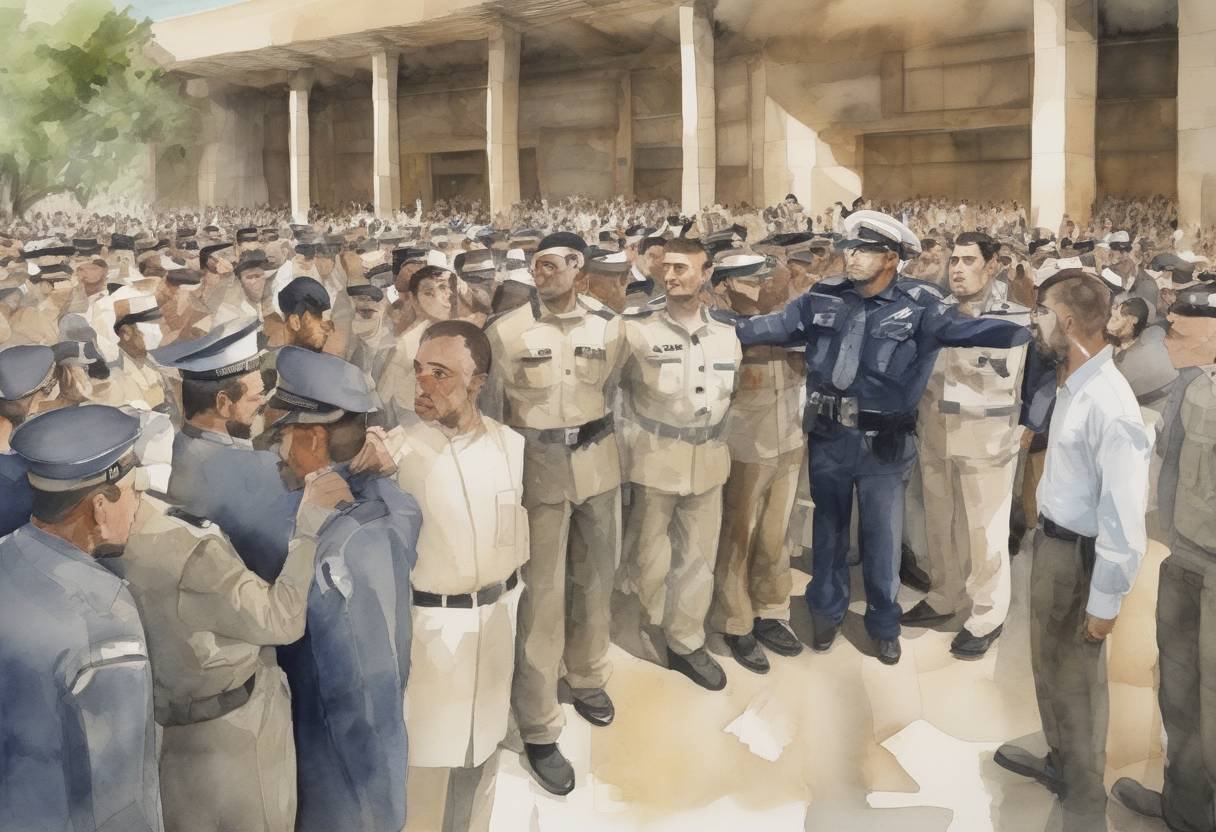
Suicide Bombing at Police Graduation Ceremony in Baghdad - June 13, 2010
On June 13, 2010, a tragic suicide bombing occurred at a police graduation ceremony in Baghdad, Iraq, resulting in the deaths of at least 28 people and injuring dozens more. This attack was a stark reminder of the ongoing violence and instability in Iraq during this period, despite efforts to establish security and governance following the U.S.-led invasion in 2003.
Context and Background
- Post-Invasion Iraq: By 2010, Iraq was still grappling with the aftermath of the 2003 invasion that toppled Saddam Hussein’s regime. The country was plagued by sectarian violence, insurgency, and political instability.
- Security Challenges: The Iraqi government, with support from international forces, was working to build a capable security apparatus. Police and military forces were frequent targets of insurgent attacks, as they symbolized the authority and efforts to stabilize the nation.
The Attack
- Location: The bombing took place at a police training center in Baghdad, where a graduation ceremony was being held.
- Method: The attacker, a suicide bomber, managed to infiltrate the ceremony and detonated explosives among the crowd, causing significant casualties.
- Casualties: At least 28 people were killed, and many others were injured. The victims included newly graduated police officers and their families who were attending the ceremony.
Aftermath and Impact
- Immediate Response: Emergency services responded swiftly to the scene, providing medical assistance to the injured and securing the area to prevent further attacks.
- Security Measures: In the wake of the attack, Iraqi authorities likely reviewed and reinforced security protocols at similar events to prevent future incidents.
- Broader Implications: This attack underscored the persistent threat posed by insurgent groups in Iraq, particularly those opposed to the government and its security forces. It highlighted the challenges faced by the Iraqi government in maintaining order and protecting its citizens during a period of transition.
Historical Significance
- Continued Violence: The attack was part of a broader pattern of violence in Iraq during this era, reflecting the deep-seated sectarian and political tensions that continued to fuel conflict.
- Impact on Morale: Such attacks had a demoralizing effect on the Iraqi security forces and the general populace, complicating efforts to rebuild trust and stability in the country.
- International Attention: The incident drew international condemnation and highlighted the ongoing need for support and cooperation in addressing security challenges in Iraq.
The bombing at the police graduation ceremony in Baghdad on June 13, 2010, remains a poignant example of the difficulties faced by Iraq in its journey towards peace and stability. It serves as a reminder of the resilience required to overcome the legacies of conflict and the importance of continued efforts to foster security and reconciliation.