The First Earth Day: April 22, 1970
1970 · Various, United States
The first Earth Day is celebrated, marking the birth of the modern environmental movement.
May 1, 2006
The Great American Boycott, also known as 'A Day Without Immigrants,' took place in the United States, where millions of immigrants and their supporters protested against proposed anti-immigration legislation.
Various, United States | Coalition for Humane Immigrant Rights of Los Angeles (CHIRLA)
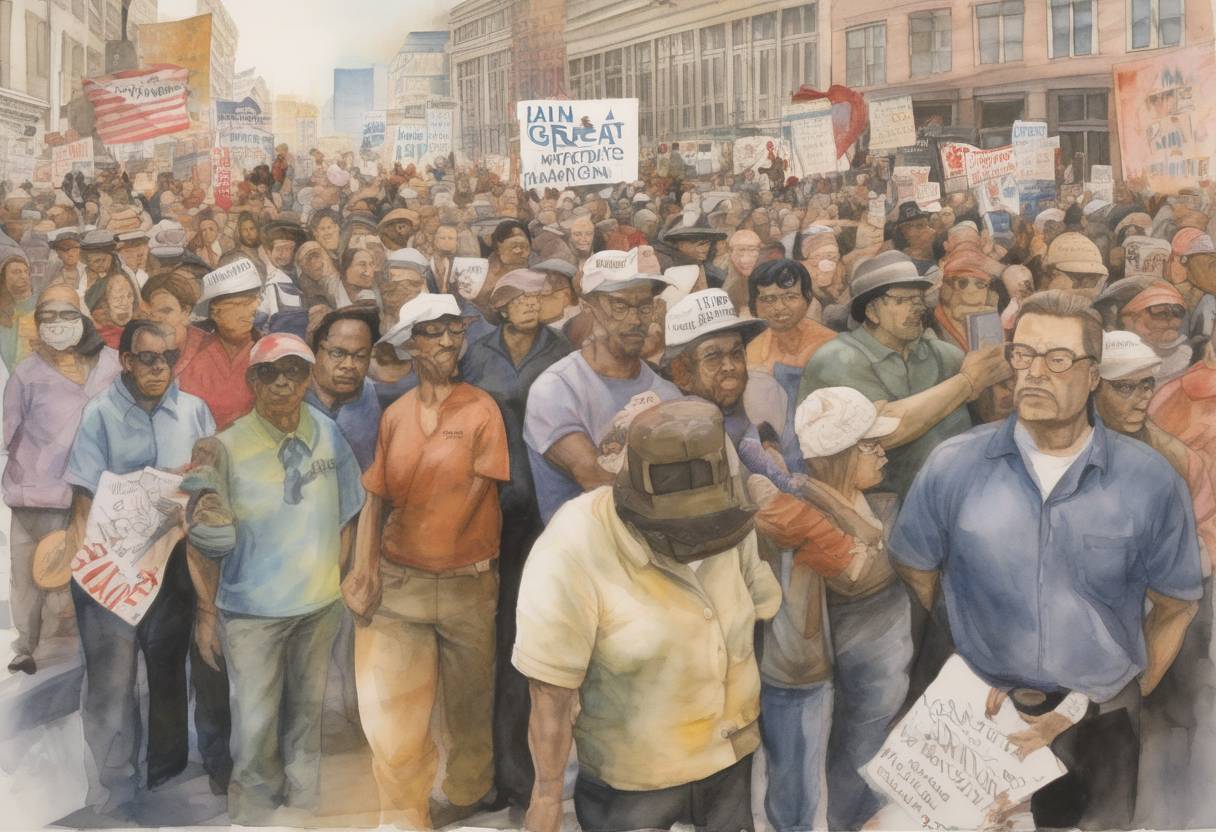
On May 1, 2006, the United States witnessed a significant event known as “The Great American Boycott” or “A Day Without Immigrants.” This day marked a nationwide protest where millions of immigrants and their supporters took a stand against proposed anti-immigration legislation, particularly the controversial H.R. 4437 bill.
The protest was primarily a response to the Border Protection, Anti-terrorism, and Illegal Immigration Control Act of 2005, commonly referred to as H.R. 4437. Introduced by Congressman James Sensenbrenner, the bill aimed to strengthen immigration enforcement and border security. Key provisions included:
The bill passed the House of Representatives in December 2005, sparking outrage among immigrant communities and advocates who viewed it as draconian and discriminatory.
The Great American Boycott was organized to demonstrate the vital role immigrants play in the U.S. economy and society. Participants were encouraged to refrain from work, school, and shopping to highlight the contributions of immigrants. The protest coincided with International Workers’ Day, linking the immigrant rights movement with broader labor rights issues.
The Great American Boycott was a pivotal moment in the U.S. immigration debate. It demonstrated the collective power of immigrant communities and their allies, influencing public opinion and political discourse. Although H.R. 4437 did not become law, the protest highlighted the need for comprehensive immigration reform.
In summary, “A Day Without Immigrants” on May 1, 2006, was a landmark event that underscored the importance of immigrants in the United States and catalyzed ongoing discussions and actions towards immigration reform.
Source: en.wikipedia.org