1831 · Tuscaloosa, United States
The University of Alabama was founded, becoming the state's first public college and one of the oldest public universities in the United States.
December 3, 1833
Oberlin College was founded by John Shipherd and Philo Stewart in northern Ohio.
Oberlin, United States | Oberlin College
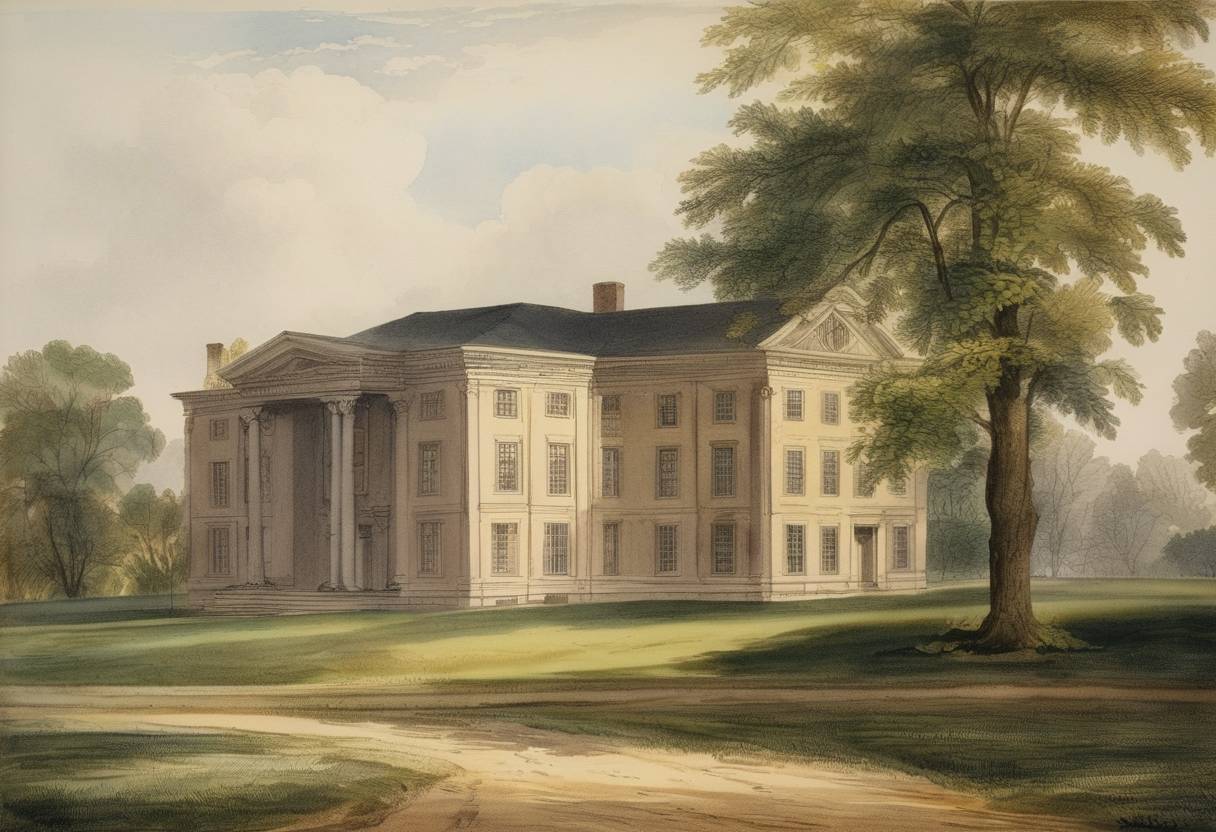
Oberlin College, a significant institution in higher education history, was established on December 3, 1833, in the town of Oberlin, Ohio. The college was founded by John Shipherd, a Presbyterian minister, and Philo Stewart, a missionary. Their vision was to create a school dedicated to the values of Christian morality, rigorous academics, and egalitarian principles.
Shipherd and Stewart were inspired by their theological beliefs and the desire to foster an institution that would meld academic excellence with social justice. Oberlin College was envisioned to serve as both an academic institution and a community that would promote the development of moral character, aligning with the ideals of the Second Great Awakening—a Protestant religious revival emphasizing personal salvation and societal reform.
Coeducation and Racial Integration: Oberlin College distinguished itself early on by embracing both coeducation and racial integration. From its inception, Oberlin admitted men and women of all races, a radical policy at the time. This progressive approach made it the first college in the United States to admit female students and one of the first to admit African American students.
Theological and Educational Goals: The founders aimed not only to provide a broad liberal arts education but also to prepare missionary clergy. They believed in producing graduates who would bring reformative ideals to their communities across the nation.
Oberlin College’s foundational principles set a precedent for inclusivity and academic excellence, influencing educational reforms and laying groundwork for the civil rights movements. It became renowned for its role in the Underground Railroad and its passionate advocacy for abolitionism.
Over the years, Oberlin produced numerous notable alumni who significantly impacted various fields, including education, civil rights, and politics. The college’s history of social activism continues to resonate today, maintaining its reputation as an institution at the forefront of educational and social progress.
In summary, the establishment of Oberlin College on December 3, 1833, represented a pioneering moment in American education, setting standards for diversity, inclusion, and the pursuit of justice that have endured for nearly two centuries.
Source: www.oberlin.edu