George B. Selden and the First U.S. Automobile Patent
1895 · Washington, D.C., United States
George B. Selden was granted the first U.S. patent for an automobile.
January 29, 1886
Karl Benz patented the first successful gasoline-driven automobile, the Benz Patent-Motorwagen.
Mannheim, Germany | Benz & Cie.
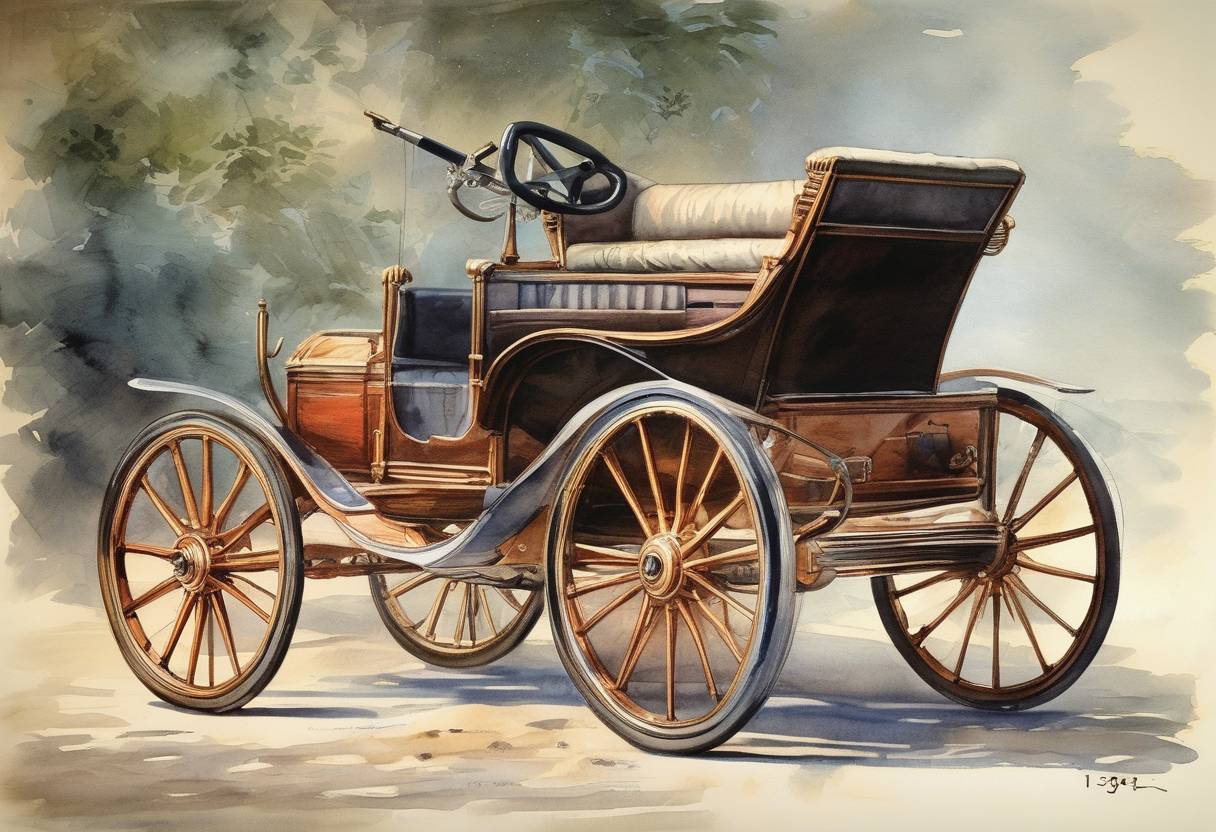
On January 29, 1886, Karl Benz, a pioneering German engineer, was granted a patent for his invention of the first successful gasoline-powered automobile, known as the Benz Patent-Motorwagen. This event marked a significant milestone in the history of transportation and the automotive industry.
Karl Benz: Born on November 25, 1844, in Mühlburg, Germany, Benz was an innovative engineer with a passion for mechanics and engineering. He founded the company Benz & Cie in 1883, which laid the groundwork for his future automotive developments.
Automotive Context: Prior to Benz’s invention, various attempts had been made to create self-propelled vehicles, but these were largely steam-powered and not practical for widespread use. The development of the internal combustion engine in the late 19th century opened new possibilities for vehicle propulsion.
Patent: On January 29, 1886, Benz received the German patent number 37435 for his “vehicle powered by a gas engine.” This patent is often regarded as the birth certificate of the automobile.
Design and Features: The Benz Patent-Motorwagen was a three-wheeled vehicle with a rear-mounted single-cylinder four-stroke engine. It had a power output of approximately 0.75 horsepower and could reach a top speed of about 16 km/h (10 mph).
Innovations: The vehicle featured several groundbreaking innovations, including an electric ignition system, a differential gear, and a water-cooled engine. These elements contributed to its practicality and reliability compared to earlier prototypes.
Public Demonstration: In 1888, Bertha Benz, Karl’s wife, undertook the first long-distance journey by automobile, driving the Motorwagen from Mannheim to Pforzheim and back. This journey demonstrated the vehicle’s reliability and practicality, garnering public interest and proving the potential of the automobile.
Automotive Industry: The success of the Benz Patent-Motorwagen laid the foundation for the modern automotive industry. It inspired further innovations and developments in vehicle design and engineering, leading to the mass production of automobiles in the early 20th century.
Cultural Significance: The invention of the automobile revolutionized personal and commercial transportation, reshaping societies and economies worldwide. It facilitated greater mobility, contributed to urbanization, and influenced countless aspects of daily life.
Karl Benz’s Patent-Motorwagen remains a symbol of innovation and progress, representing a pivotal moment in technological history. Its legacy continues to influence the automotive industry and the way people travel today.
Source: www.mercedes-benz.com