Introduction of iTunes by Apple Inc. - January 9, 2001
2001 · San Francisco, United States
Apple Inc. introduced iTunes, a digital media player application that revolutionized the way people purchased and organized music.
July 14, 1995
The first version of the MP3 file format was released, revolutionizing the way music was distributed and consumed.
Erlangen, Germany | Fraunhofer Society
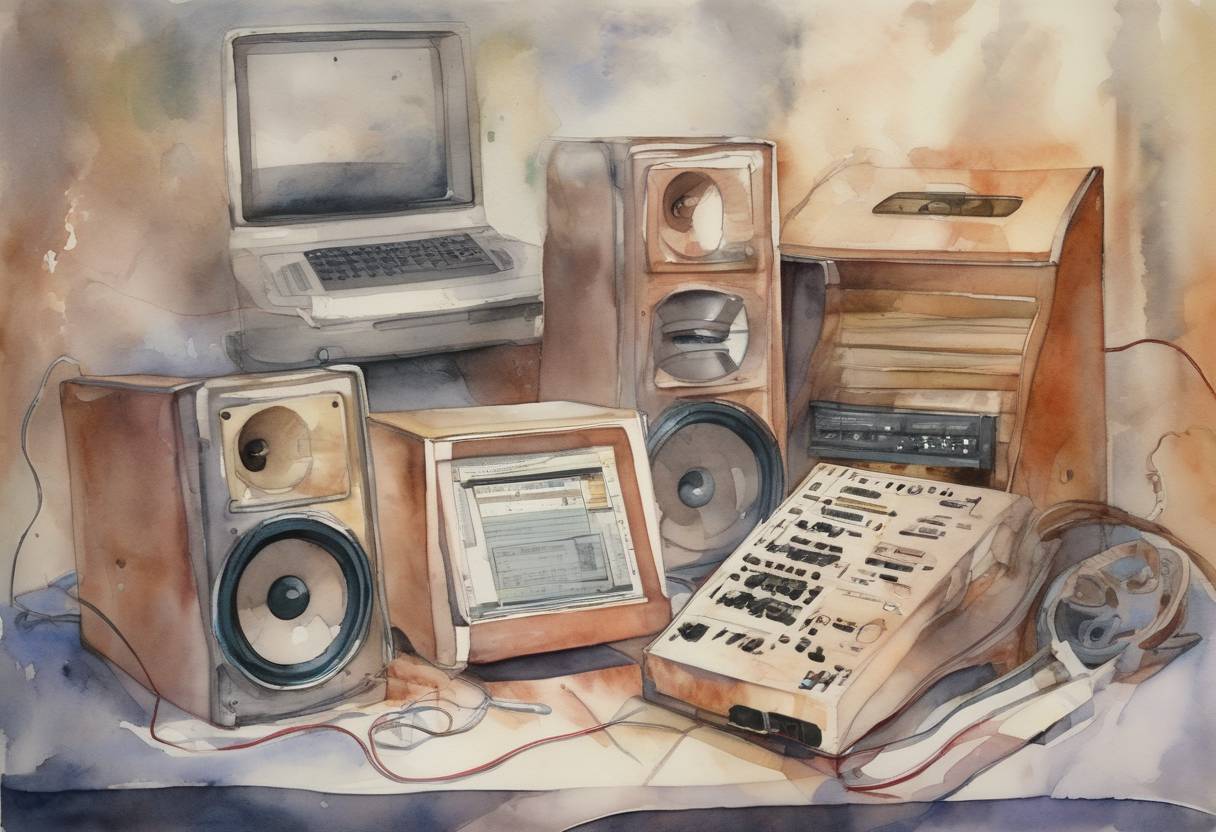
On July 14, 1995, the first version of the MP3 file format was released, marking a pivotal moment in the history of digital music distribution and consumption. This technological breakthrough revolutionized the music industry and significantly altered how people accessed and enjoyed music.
The MP3 format, short for MPEG Audio Layer III, was developed as part of the larger Moving Picture Experts Group (MPEG) initiative, which aimed to create standards for audio and video compression. The development of MP3 was primarily led by a team of engineers at the Fraunhofer Institute in Germany, with key contributions from Karlheinz Brandenburg, who is often credited as one of the format’s inventors.
The goal of the MP3 format was to compress audio files without significantly compromising sound quality, allowing for easier storage and transmission over the internet. This was achieved through a process called perceptual coding, which reduces file size by eliminating sounds that are less audible to the human ear.
Compression Efficiency: MP3 files could compress audio data to about one-tenth of its original size, making it feasible to store and share music files over the internet.
Quality and Accessibility: Despite the compression, MP3 files maintained a level of sound quality that was acceptable to most listeners, facilitating widespread adoption.
Distribution and Consumption: The MP3 format enabled the rise of digital music distribution platforms, peer-to-peer file sharing networks, and portable music players, such as the iPod, which further transformed how music was consumed.
The release of the MP3 format had profound implications for the music industry:
Shift in Business Models: Traditional music distribution models, which relied on physical media like CDs, were disrupted. The industry had to adapt to new digital distribution channels and rethink revenue models.
Legal and Ethical Challenges: The ease of sharing MP3 files led to widespread music piracy, prompting legal battles and the development of digital rights management (DRM) technologies.
Cultural Impact: The MP3 format democratized music access, allowing independent artists to distribute their work without the need for major label backing, thus fostering a more diverse musical landscape.
The introduction of the MP3 file format on July 14, 1995, was a watershed moment in the digital age, reshaping the music industry and influencing how people around the world experience music. Its legacy continues to be felt today, as streaming services and digital downloads remain the dominant modes of music consumption.
Source: en.wikipedia.org