The Ashura Bombings in Iraq - March 2, 2004
2004 · Baghdad, Iraq
The War in Iraq: Al-Qaeda carried out a series of bombings in Iraq, targeting Shiite Muslims during the Ashura festival, resulting in the deaths of at least 178 people.
June 7, 2006
Abu Musab al-Zarqawi, the leader of Al-Qaeda in Iraq, is killed in a U.S. airstrike north of Baghdad.
Hibhib, Iraq | Al-Qaeda
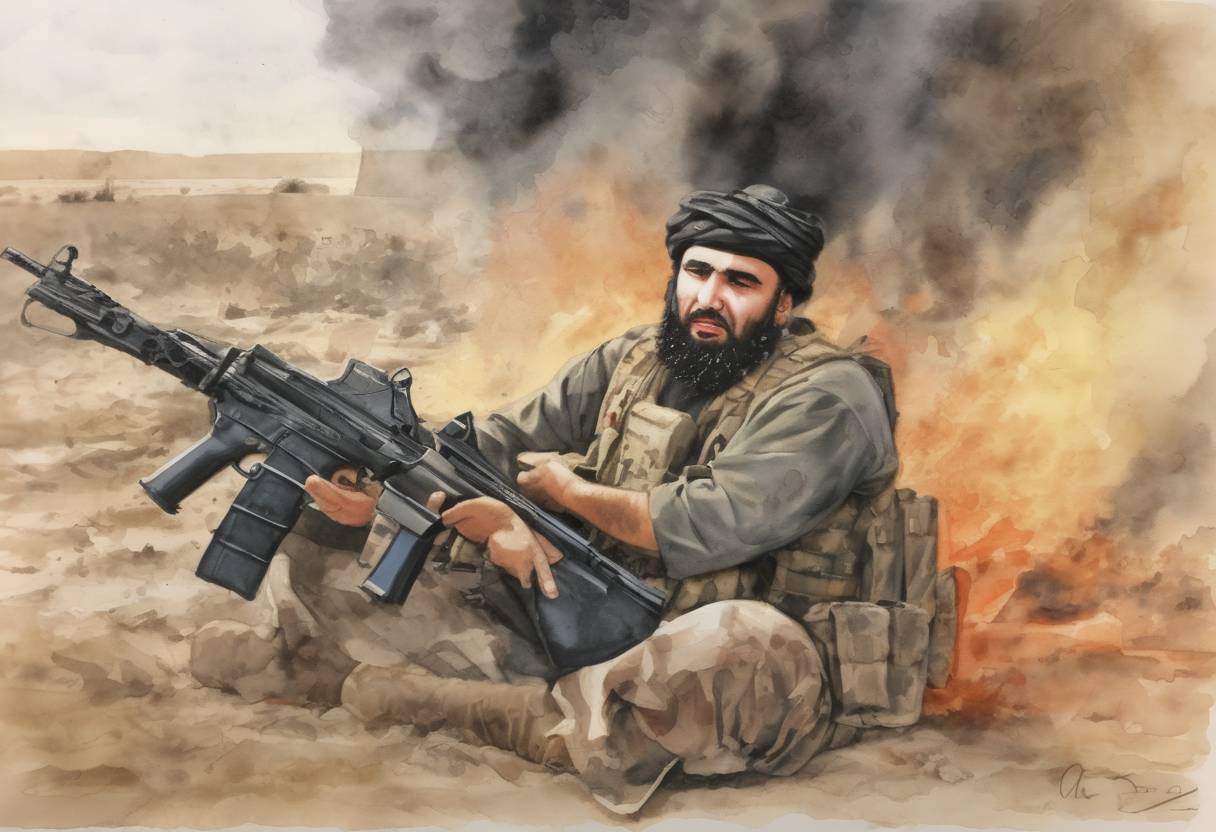
On June 7, 2006, Abu Musab al-Zarqawi, the notorious leader of Al-Qaeda in Iraq, was killed in a U.S. airstrike. This event marked a significant moment in the Iraq War and the broader fight against terrorism.
Abu Musab al-Zarqawi, born Ahmad Fadeel al-Nazal al-Khalayleh in 1966 in Jordan, rose to prominence as a militant Islamist leader. He founded the group Jama’at al-Tawhid wal-Jihad in the late 1990s, which later became known as Al-Qaeda in Iraq (AQI) after pledging allegiance to Osama bin Laden in 2004. Zarqawi was infamous for his brutal tactics, including orchestrating bombings, kidnappings, and beheadings, which targeted both coalition forces and Iraqi civilians. His actions aimed to incite sectarian violence between Sunni and Shia Muslims in Iraq.
The operation to eliminate Zarqawi was the result of extensive intelligence work by U.S. and Iraqi forces. On June 7, 2006, two F-16 fighter jets dropped two 500-pound bombs on a safe house near the village of Hibhib, north of Baghdad, where Zarqawi was believed to be meeting with associates. The airstrike successfully killed Zarqawi and several of his aides.
The death of Zarqawi was hailed as a major victory by U.S. and Iraqi officials. It dealt a significant blow to Al-Qaeda in Iraq, disrupting its operations and leadership structure. However, the group eventually regrouped and continued its insurgency, later evolving into the Islamic State of Iraq and Syria (ISIS).
Zarqawi’s death highlighted the challenges of counterterrorism efforts in Iraq, where insurgent groups could quickly adapt and reorganize. It also underscored the ongoing sectarian tensions in the region, which Zarqawi had exacerbated through his campaign of violence.
In summary, the killing of Abu Musab al-Zarqawi on June 7, 2006, was a pivotal moment in the Iraq War, reflecting both the successes and limitations of military strategies against insurgent leaders.
Source: www.nytimes.com