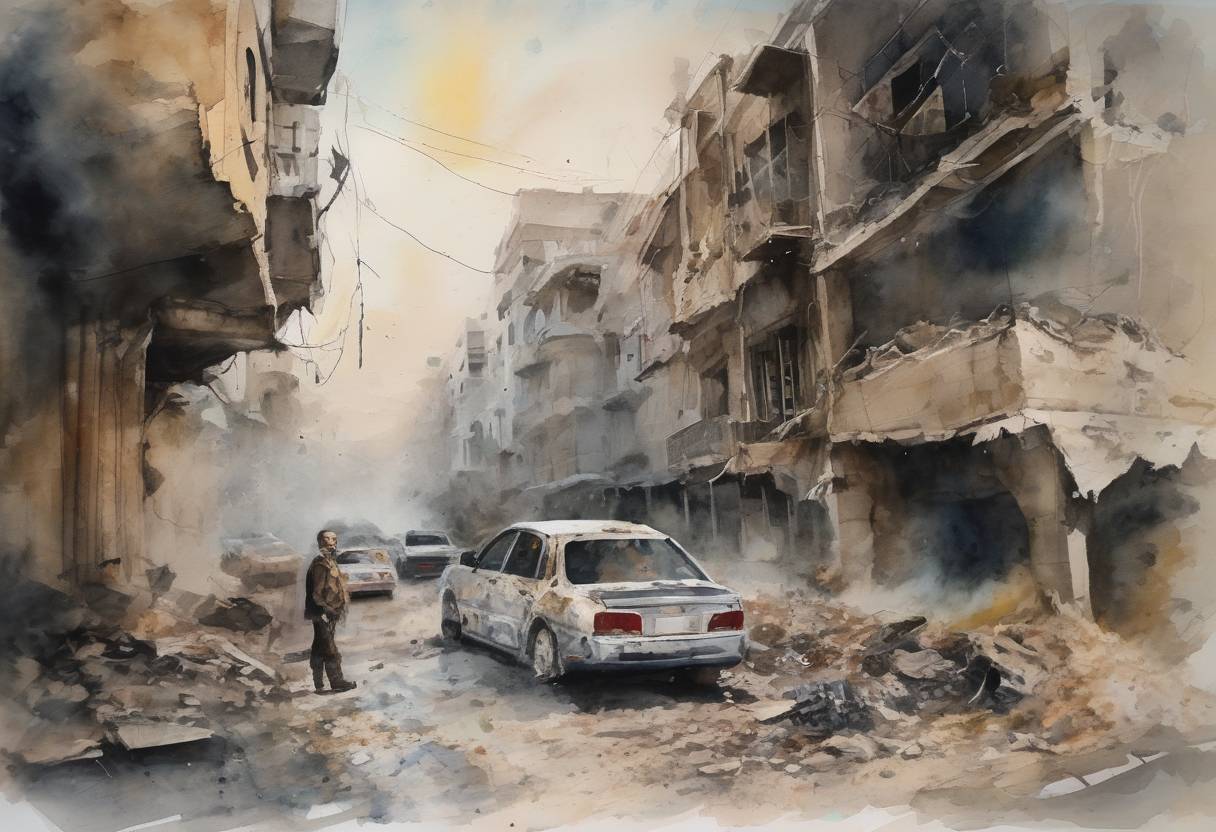
Syrian Civil War: Damascus Bombing on July 19, 2012
On July 19, 2012, a significant and deadly bombing occurred in Damascus, the capital of Syria, marking a pivotal escalation in the Syrian Civil War. This attack targeted the National Security Building during a high-level meeting of government officials and resulted in the deaths of several key figures within the Syrian government.
The bombing claimed the lives of several high-ranking officials, including:
- Dawoud Rajiha: The Syrian Defense Minister, who was the highest-ranking Christian in the government and a close ally of President Bashar al-Assad.
- Assef Shawkat: The Deputy Defense Minister and brother-in-law of President Assad, known for his influential role within the regime.
- Hassan Turkmani: A former Defense Minister and a senior military official, who was serving as a crisis management chief at the time.
Additionally, the attack injured several other officials, further destabilizing the Assad regime’s inner circle.
Context and Significance
The bombing occurred during a period of intense conflict in Syria, as the civil war, which began in 2011, was escalating. The attack was a significant blow to the Assad regime, as it demonstrated the capability of opposition forces to strike at the heart of the government in the heavily fortified capital.
Escalation of the Conflict
- Rebel Gains: The bombing coincided with increased rebel activity in Damascus and other major cities, signaling a shift in the dynamics of the conflict. The Free Syrian Army and other opposition groups were gaining momentum, challenging the regime’s control over key areas.
- International Implications: The attack drew international attention and condemnation, highlighting the growing complexity and brutality of the Syrian Civil War. It underscored the urgent need for international diplomatic efforts to address the escalating violence.
Aftermath and Consequences
The assassination of these top officials was a turning point in the conflict, leading to:
- Increased Violence: The regime responded with intensified military operations against rebel-held areas, resulting in significant civilian casualties and further humanitarian crises.
- Regime Resilience: Despite the loss of key figures, the Assad regime managed to maintain its grip on power, largely due to support from allies such as Russia and Iran.
- Prolonged Conflict: The war continued to escalate, becoming one of the most devastating conflicts in recent history, with widespread destruction and a massive displacement of the Syrian population.
The bombing on July 19, 2012, remains a critical moment in the Syrian Civil War, illustrating the deepening crisis and the challenges faced by both the Assad regime and the international community in seeking a resolution to the conflict.