Refugee Crisis in South Sudan: August 2, 2016
2016 · Juba, South Sudan
The United Nations announced that the number of refugees fleeing South Sudan had reached over 60,000, following renewed violence in the country.
February 2, 2017
The United Nations declared the famine in parts of South Sudan, affecting over 100,000 people and putting millions more at risk of starvation.
Juba, South Sudan | United Nations
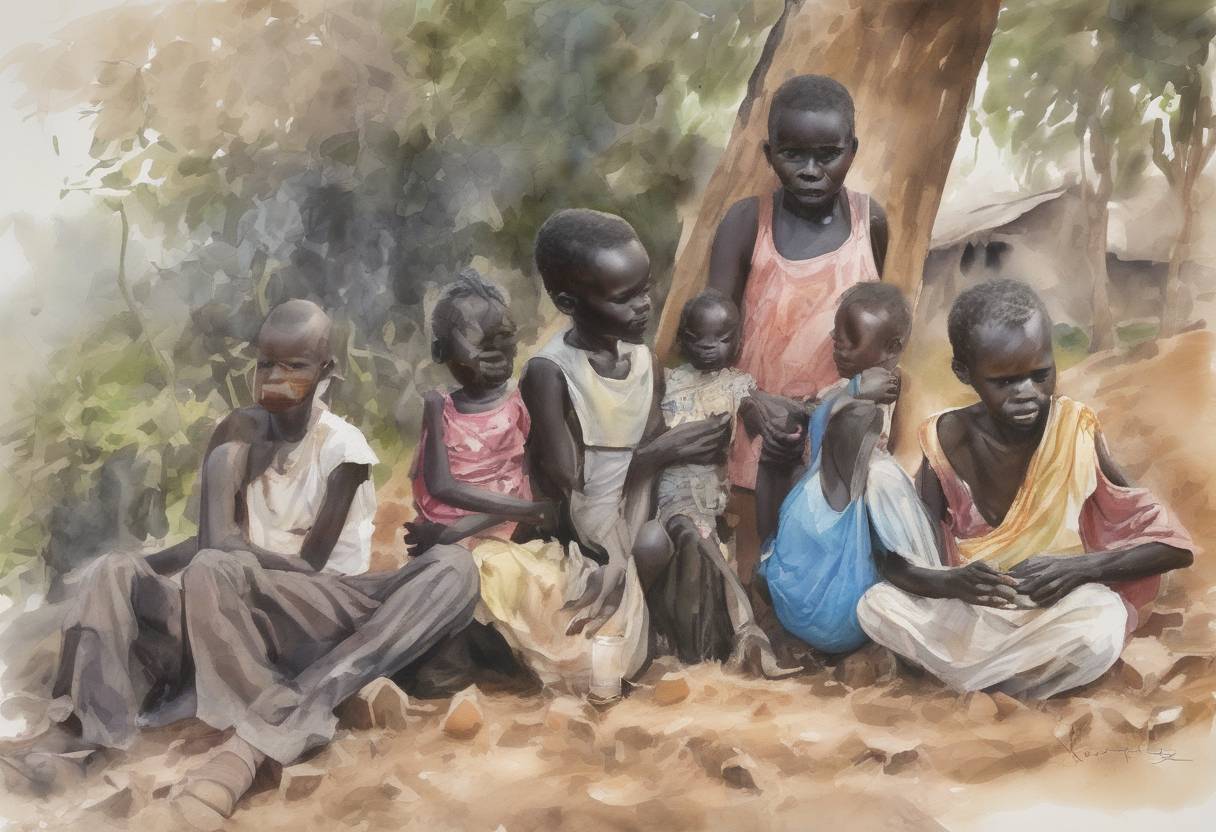
On February 20, 2017, the United Nations officially declared a famine in parts of South Sudan, marking a dire humanitarian crisis in the world’s youngest nation. This declaration was significant as it was the first famine to be announced anywhere in the world in six years. The famine affected over 100,000 people, with millions more at risk of starvation.
South Sudan, which gained independence from Sudan in 2011, has been plagued by civil conflict since December 2013. The power struggle between President Salva Kiir and his former deputy, Riek Machar, escalated into a full-blown civil war, leading to widespread violence and displacement. The conflict severely disrupted agriculture, leading to food shortages and economic instability.
Civil War and Displacement: The ongoing civil war resulted in the displacement of millions of people, disrupting farming activities and leading to a collapse in food production.
Economic Collapse: The conflict caused a significant economic downturn, with hyperinflation making food prices unaffordable for many.
Access and Aid Challenges: Humanitarian efforts were hindered by insecurity and restricted access to affected areas, complicating the delivery of aid.
Climatic Conditions: Adverse weather conditions, including droughts and floods, further exacerbated the food crisis.
The famine was declared in parts of Unity State, a region severely affected by the conflict. The declaration was based on the Integrated Food Security Phase Classification (IPC) system, which indicated that parts of the population were experiencing extreme food shortages, acute malnutrition, and elevated mortality rates.
The UN and various humanitarian organizations launched an urgent appeal for aid to address the crisis. Efforts focused on:
The famine declaration drew international attention to the crisis in South Sudan, prompting increased humanitarian aid and diplomatic efforts to address the underlying conflict. However, the situation remained precarious, with ongoing violence and instability continuing to threaten food security.
The famine in South Sudan highlighted the devastating impact of conflict on food security and underscored the importance of addressing political instability to prevent humanitarian crises. It also served as a reminder of the challenges faced by newly independent nations in establishing stable governance and economic systems.
In conclusion, the famine declaration in South Sudan in 2017 was a critical moment in the country’s history, reflecting the severe humanitarian challenges posed by prolonged conflict and underscoring the urgent need for international support and conflict resolution efforts.
Source: www.un.org