The Fall of the Berlin Wall: November 9, 1989
1989 · Berlin, Germany
The Berlin Wall fell, marking a pivotal moment in the collapse of communist regimes in Eastern Europe and symbolizing the end of the Cold War.
August 17, 1962
East German border guards kill Peter Fechter, an 18-year-old bricklayer, as he attempts to cross the Berlin Wall into West Berlin, sparking international outrage.
Berlin, Germany | East German Government
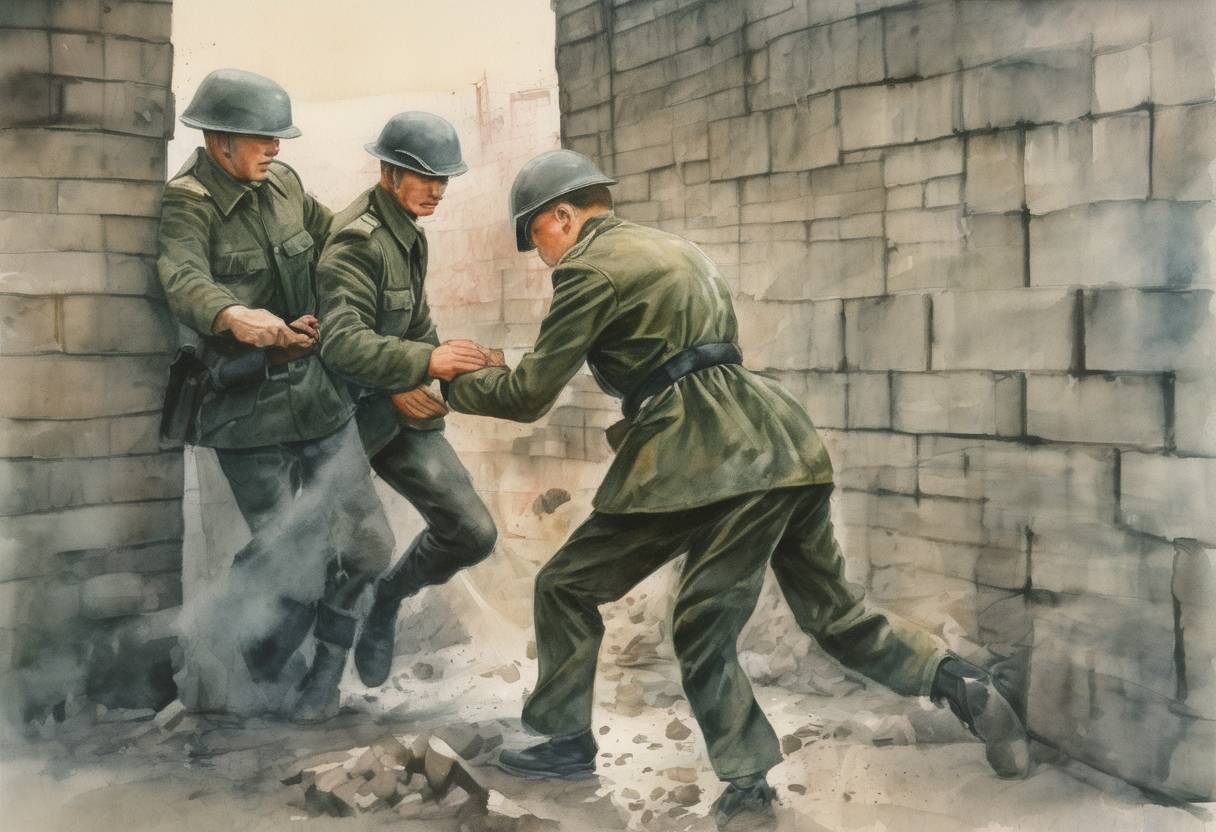
On August 17, 1962, a tragic event unfolded at the Berlin Wall that would resonate internationally and highlight the human cost of the Cold War. Peter Fechter, an 18-year-old bricklayer, was shot and killed by East German border guards as he attempted to escape from East Berlin to West Berlin.
The Berlin Wall, erected in 1961 by the German Democratic Republic (GDR), was a physical manifestation of the Iron Curtain that divided Eastern and Western Europe during the Cold War. Its primary purpose was to prevent East Germans from fleeing to the West, where they sought political freedom and economic opportunities. The Wall quickly became a symbol of the oppressive nature of the Eastern Bloc regimes.
Peter Fechter and his friend Helmut Kulbeik planned their escape meticulously. On the fateful day, they approached the Wall near Checkpoint Charlie, one of the most famous crossing points. As they made their attempt, they were spotted by East German border guards. While Kulbeik managed to scale the Wall and reach West Berlin, Fechter was not as fortunate.
As Fechter climbed the Wall, he was shot by the guards. He fell back into the “death strip,” a no-man’s land between the inner and outer sections of the Wall. Despite his cries for help, he was left unattended for nearly an hour, bleeding to death in full view of both East and West Berliners.
The incident was witnessed by many, including journalists and ordinary citizens on both sides of the Wall. The inaction of the guards and the inability of West Berliners to assist due to the political and physical barriers led to widespread outrage. Protests erupted in West Berlin, and the event was covered extensively by international media, drawing attention to the brutal realities of the Berlin Wall and the broader Cold War tensions.
Peter Fechter’s death became a powerful symbol of the human rights abuses perpetrated by the East German regime. It intensified criticism of the GDR and the Soviet Union, further straining East-West relations. The incident also underscored the desperation of those living under communist rule and their willingness to risk everything for freedom.
In the years following, the Berlin Wall would claim many more lives, but Fechter’s death remained one of the most poignant reminders of the division and suffering caused by the Cold War. His story is commemorated by a memorial near the site of his death, serving as a somber reminder of the cost of political oppression and the enduring human spirit in the quest for freedom.
Source: www.history.com