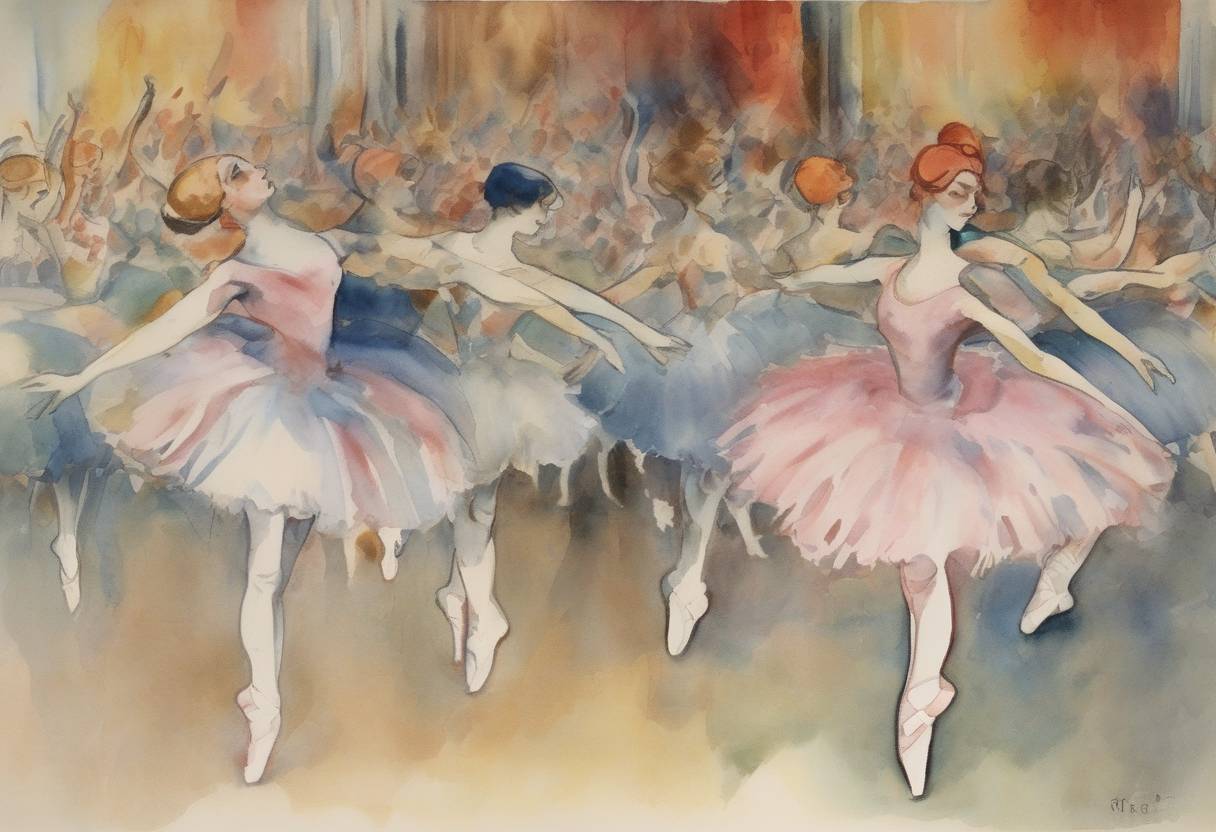
The Premiere of Igor Stravinsky’s The Rite of Spring
On May 29, 1913, Igor Stravinsky’s ballet The Rite of Spring (Le Sacre du printemps) premiered at the Théâtre des Champs-Élysées in Paris. This event is famously remembered for inciting a riot due to its groundbreaking music and choreography, marking a pivotal moment in the history of modern art.
Context and Background
- Composer: Igor Stravinsky, a Russian composer, was already gaining recognition for his innovative compositions, including The Firebird (1910) and Petrushka (1911).
- Choreographer: The ballet was choreographed by Vaslav Nijinsky, a prominent dancer and choreographer associated with the Ballets Russes, led by impresario Sergei Diaghilev.
- Concept: The Rite of Spring is a ballet and orchestral concert work that depicts pagan rituals celebrating the arrival of spring, culminating in a sacrificial dance.
The Premiere
- Venue: The Théâtre des Champs-Élysées, a newly opened theater in Paris, known for its modern architecture and acoustics.
- Audience Reaction: The premiere was met with a tumultuous response. The avant-garde nature of the music and choreography shocked the audience, leading to loud disruptions and a near-riot. Accounts describe shouting, jeering, and even physical altercations among the audience members.
- Music and Choreography: Stravinsky’s score was characterized by its complex rhythms, dissonance, and unconventional structure, which challenged traditional musical norms. Nijinsky’s choreography was equally revolutionary, featuring angular movements and a departure from classical ballet techniques.
Aftermath and Significance
- Initial Reception: Despite the chaotic premiere, the ballet quickly gained recognition for its artistic innovation. Subsequent performances were better received, and the work became a staple of the 20th-century repertoire.
- Impact on Music and Dance: The Rite of Spring is credited with influencing the direction of modern music and dance. It pushed the boundaries of what was considered acceptable in both art forms and inspired future generations of composers and choreographers.
- Legacy: Today, The Rite of Spring is celebrated as a masterpiece of modernism. It is frequently performed and studied for its revolutionary impact on the arts.
The premiere of The Rite of Spring stands as a landmark event, symbolizing the clash between traditional and modernist aesthetics and heralding a new era in the performing arts.