2009 · Baghdad, Iraq
Iraq executed Saddam Hussein's cousin Ali Hassan al-Majid, known as 'Chemical Ali,' for his role in the chemical attack on the Kurdish town of Halabja in 1988.
March 16, 1988
The Halabja chemical attack occurs during the Iran-Iraq War, where Iraqi forces use chemical weapons against the Kurdish town of Halabja, killing thousands of civilians.
Halabja, Iraq | Iraqi government
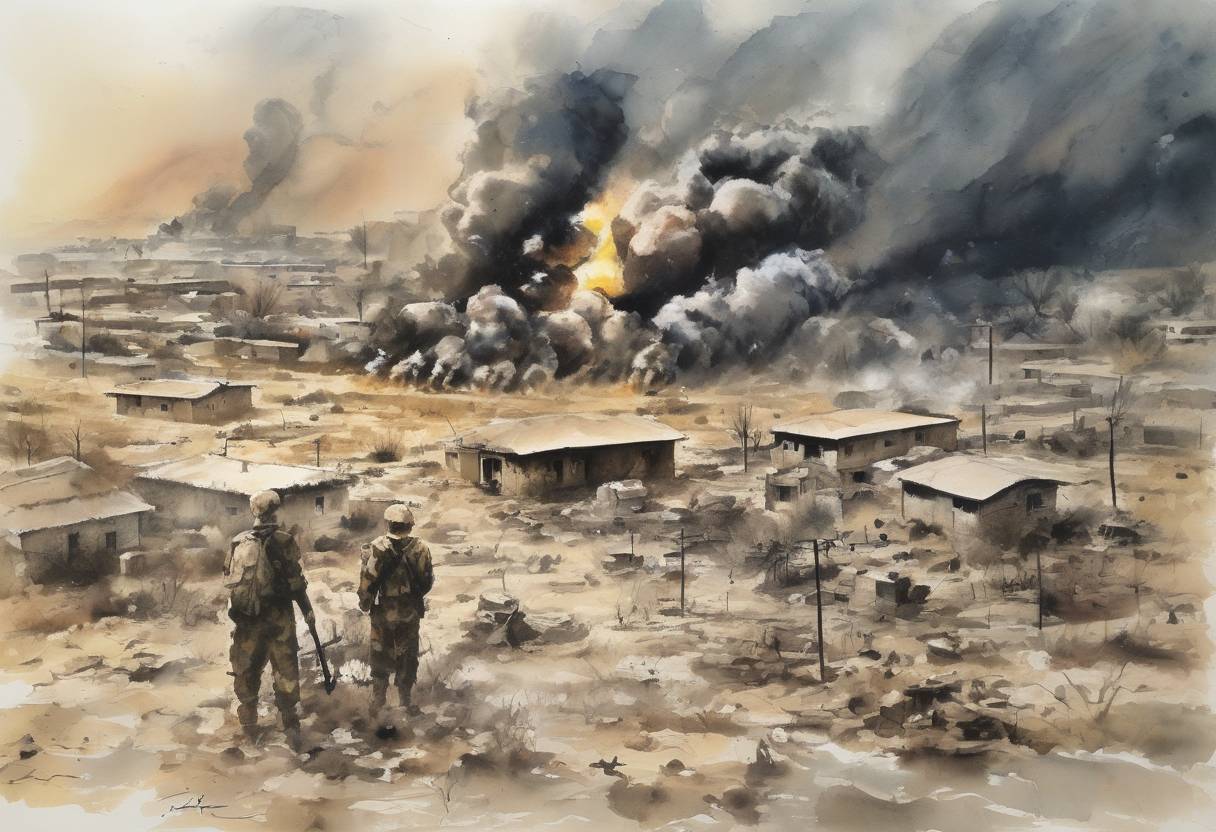
The Halabja chemical attack occurred during the final stages of the Iran-Iraq War, a prolonged conflict that lasted from 1980 to 1988. This war was marked by territorial disputes, political tensions, and ethnic conflicts. The Kurdish population in northern Iraq, seeking greater autonomy, had been involved in a complex relationship with both Iran and Iraq, often finding themselves caught between the two warring nations.
On March 16, 1988, the town of Halabja, located in the Kurdish region of northern Iraq, became the target of a devastating chemical weapons attack by Iraqi forces under the regime of Saddam Hussein. The attack was part of a broader military campaign known as the Al-Anfal Campaign, which aimed to suppress Kurdish resistance.
The Halabja chemical attack drew international condemnation and highlighted the brutal tactics employed by the Iraqi regime against its own population. However, immediate global response was limited, partly due to the geopolitical complexities of the Iran-Iraq War and the interests of various international actors.
The Halabja chemical attack remains a poignant reminder of the horrors of chemical warfare and the vulnerability of civilian populations in conflict zones. It underscores the importance of international efforts to prevent the use of weapons of mass destruction and to protect human rights globally.
Source: en.wikipedia.org