The Taliban Announce Interim Government in Afghanistan - September 6, 2021
2021 · Kabul, Afghanistan
The Taliban announced an interim government in Afghanistan following their takeover of the country in August 2021.
September 9, 2021
The Taliban announced an acting government in Afghanistan including several members from the previous Taliban regime of the 1990s.
Kabul, Afghanistan | Taliban
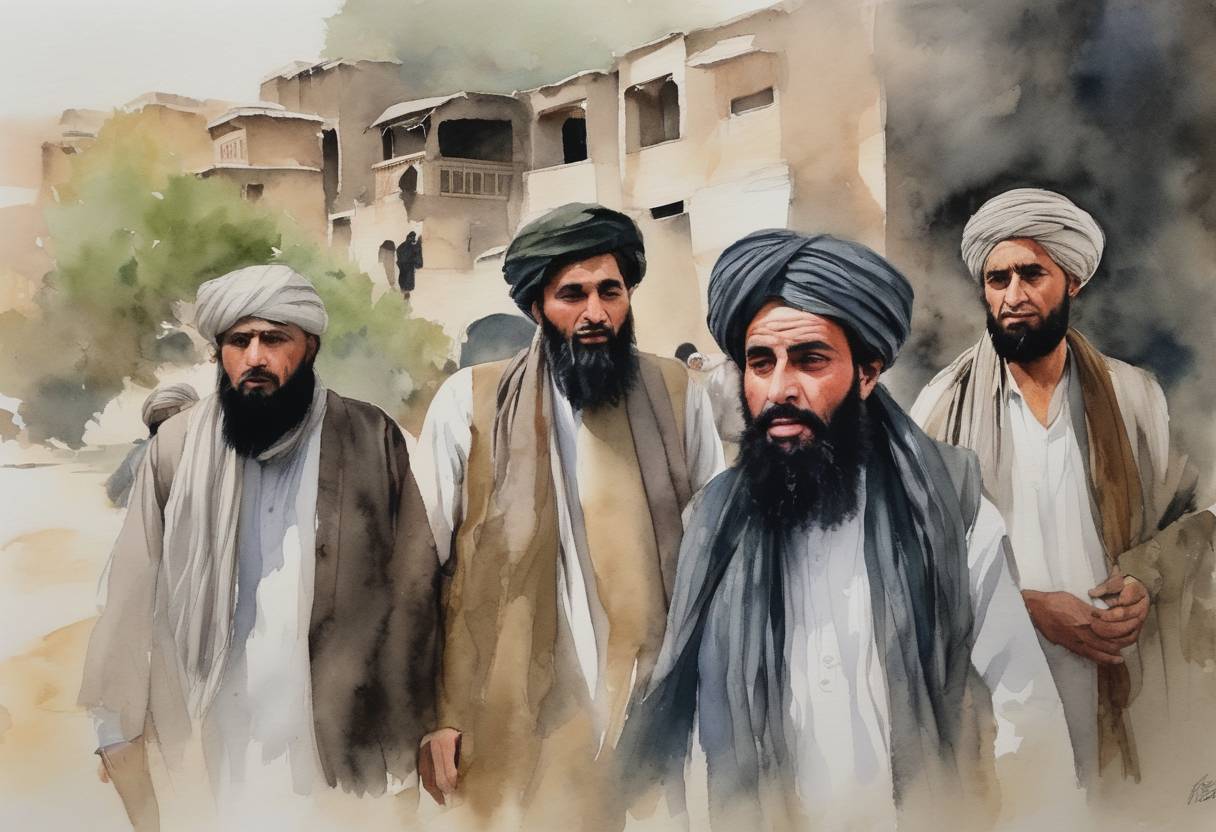
On September 9, 2021, the Taliban announced the formation of an acting government in Afghanistan, marking a significant moment following their rapid takeover of the country in August 2021. The declaration came amidst a complex post-war transition after U.S. and NATO forces completed their withdrawal from Afghanistan.
The acting government was dominated by figures who had been a part of the Taliban’s regime during its previous rule from 1996 to 2001. Noteworthy appointments included:
Mohammad Hasan Akhund: Named as the acting Prime Minister. Akhund had previously held prominent roles in the Taliban’s government in the 1990s and was a close associate of the Taliban’s original leaders.
Mullah Abdul Ghani Baradar: Appointed as one of the Deputy Prime Ministers, Baradar was a co-founder of the Taliban and had played a critical role in the peace negotiations with the United States in Doha, Qatar.
Sirajuddin Haqqani: Appointed as the acting Interior Minister. Known for leading the Haqqani network, a powerful faction within the Taliban, Haqqani was on the FBI’s most-wanted list.
The cabinet’s composition reflected a continuity from the Taliban’s earlier governance, drawing heavily from its old guard. This decision drew criticism internationally for failing to include women or members from diverse ethnic groups, contrary to global calls for an inclusive government.
The announced government faced numerous immediate challenges, including gaining international recognition and addressing Afghanistan’s worsening humanitarian crisis. The Taliban’s promises of a more moderate rule compared to the stringent policies of the 1990s were under scrutiny.
The announcement of the government on September 9 also symbolized the re-establishment of a Taliban administration after two decades of conflict and external intervention. The development played a crucial role in shaping the geopolitical landscape of the region and had significant implications for Afghanistan’s future, particularly regarding human rights, economic stability, and security.
The international community closely monitored these developments, with many countries withholding official recognition pending the Taliban’s actions and policies in practice, especially their treatment of women and minorities.
Source: www.bbc.com