The Eruption of Mount Tambora: April 10, 1815
1815 · Sumbawa, Indonesia
The Mount Tambora volcano in Indonesia began its most powerful eruption, leading to the 'Year Without a Summer' in 1816 due to the volcanic winter it caused.
December 8, 2019
A volcanic eruption occurred on White Island in New Zealand, resulting in 22 deaths and numerous injuries among tourists and guides present on the island.
Whakaari / White Island, New Zealand | N/A
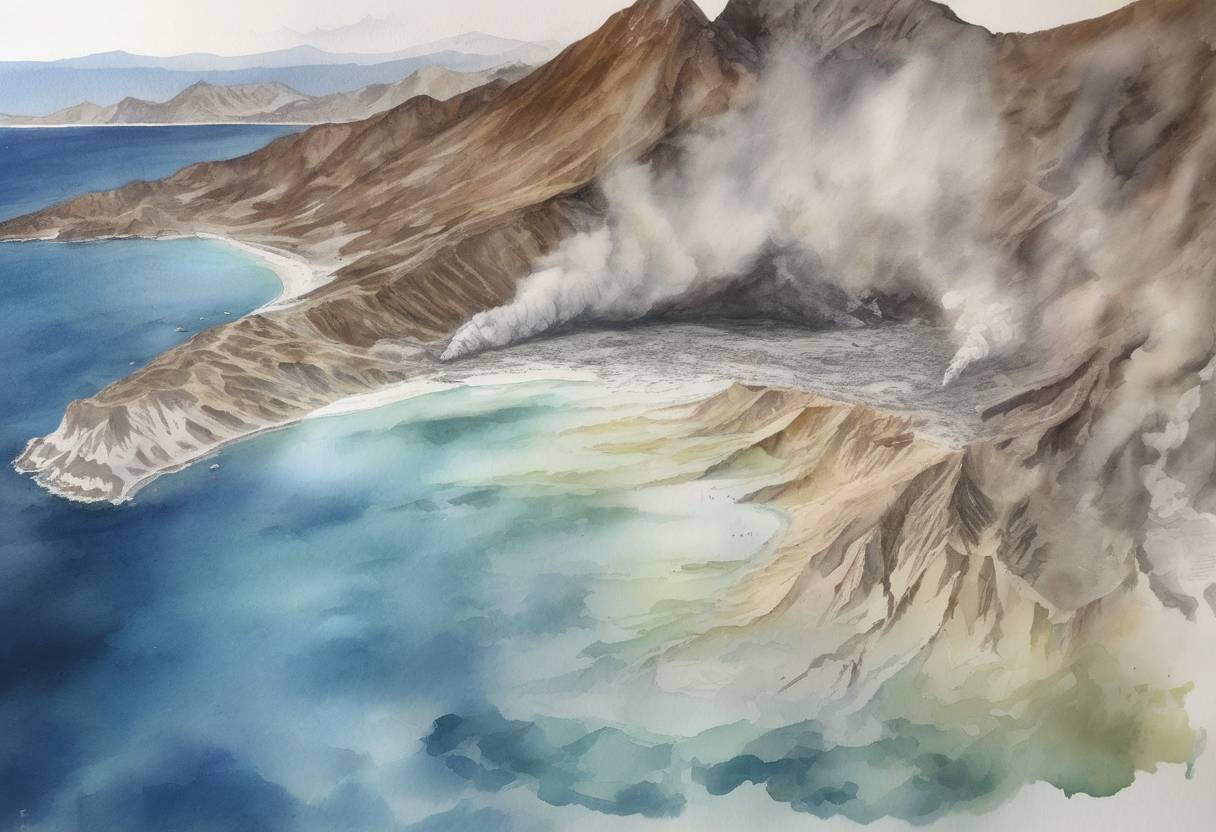
On December 8, 2019, a tragic volcanic eruption occurred on White Island, also known as Whakaari, located in the Bay of Plenty, New Zealand. This unexpected eruption resulted in the deaths of 22 people and caused numerous injuries among tourists and guides who were present on the island at the time.
White Island is an active stratovolcano and a popular tourist destination known for its unique geological features and accessibility. The island is privately owned, and tours were regularly conducted, allowing visitors to experience the active volcanic environment up close. Prior to the eruption, the island had shown signs of increased volcanic activity, but it remained open to tourists.
The eruption took place at approximately 2:11 PM local time. It was a phreatic eruption, which occurs when water beneath the ground or on the surface is heated by magma, lava, hot rocks, or new volcanic deposits, causing an explosive release of steam and volcanic gases. This type of eruption is particularly dangerous due to its suddenness and the lack of clear precursors.
At the time of the eruption, 47 people were on the island, including tourists from various countries and local tour guides. The eruption released a significant amount of ash and volcanic gases, creating hazardous conditions for those on the island.
Rescue operations were immediately launched, involving both local authorities and emergency services. The New Zealand Defence Force and various rescue teams worked tirelessly to evacuate survivors and recover the deceased. The challenging conditions, including the presence of toxic gases and unstable terrain, complicated rescue efforts.
In the days following the eruption, the death toll rose as some of the injured succumbed to their injuries. Many survivors suffered severe burns and required extensive medical treatment. The incident prompted a national and international response, with support and condolences pouring in from around the world.
The eruption led to investigations by New Zealand’s government and regulatory bodies to understand the circumstances leading up to the event and to assess the safety protocols in place for tourist activities on the island. Questions were raised about the adequacy of risk assessments and the decision to allow tours despite the known volcanic activity.
In the aftermath, legal proceedings were initiated against several parties, including tour operators and government agencies, to determine accountability and ensure such a tragedy would not occur again.
The White Island eruption highlighted the inherent risks associated with tourism in active volcanic areas. It underscored the need for stringent safety measures and clear communication of potential dangers to tourists. The event also served as a somber reminder of the unpredictable nature of volcanic activity and the importance of respecting natural hazards.
The tragedy had a profound impact on New Zealand’s tourism industry and prompted a reevaluation of how natural attractions are managed and promoted to ensure the safety of visitors.
Source: www.bbc.com