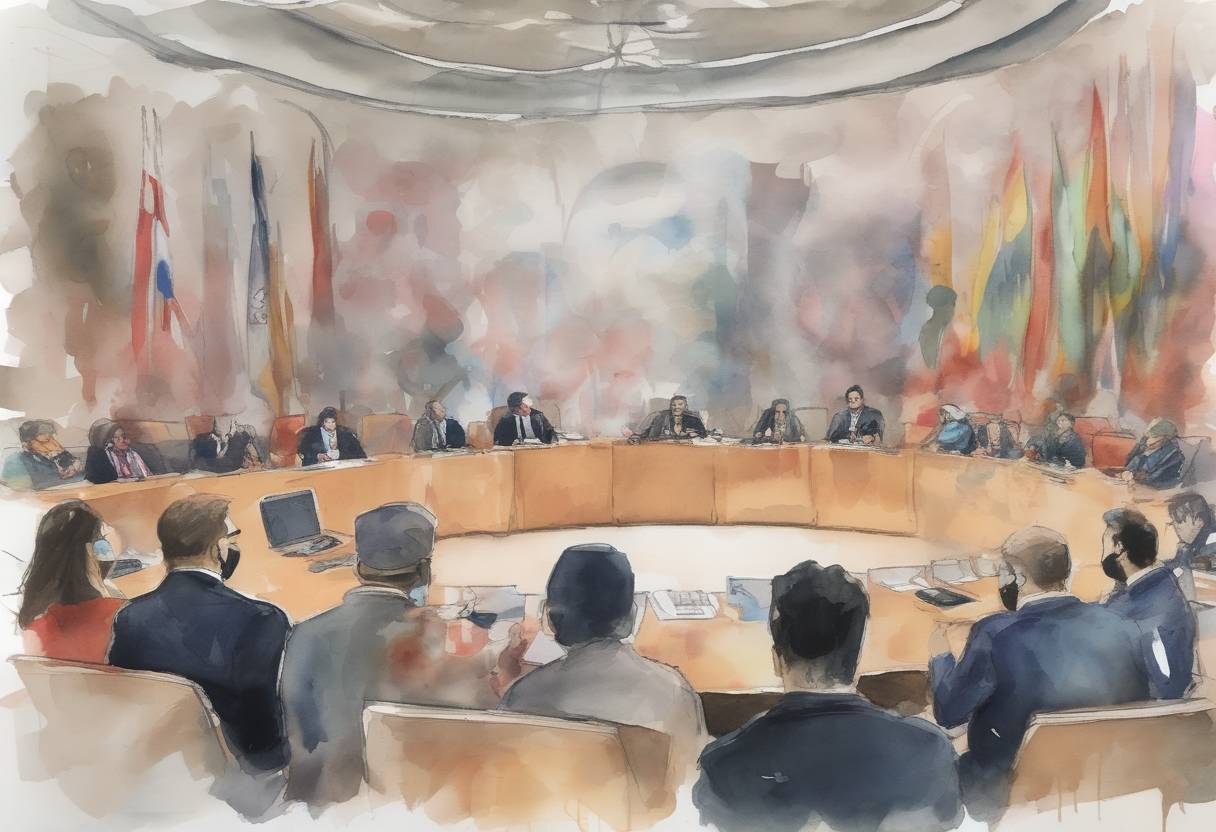
Urgent Debate on Racism and Police Brutality by the United Nations Human Rights Council
On June 8, 2020, the United Nations Human Rights Council (UNHRC) convened an urgent debate to address the pressing issues of racism and police brutality. This session was catalyzed by global protests following the death of George Floyd, an African American man who died on May 25, 2020, in Minneapolis, Minnesota, after a police officer knelt on his neck for over nine minutes. Floyd’s death, captured on video, sparked widespread outrage and demonstrations across the United States and around the world, highlighting systemic racism and the need for police reform.
Context Leading to the Debate
George Floyd’s Death: The incident involving George Floyd became a symbol of racial injustice and police violence, leading to a resurgence of the Black Lives Matter movement. Protests erupted globally, demanding accountability and systemic change.
Global Protests: The demonstrations were not limited to the United States; they spread to numerous countries, each grappling with their own histories of racial discrimination and police misconduct.
Calls for Action: Activists, civil society groups, and various governments called on international bodies to address these issues comprehensively.
Key Events of the Debate
Initiation by African Nations: The urgent debate was requested by African nations, reflecting a collective demand for the UN to address racial discrimination and police brutality on an international scale.
Focus on Systemic Racism: The debate centered on systemic racism, particularly within law enforcement agencies, and the need for reforms to ensure justice and equality.
Statements and Resolutions: Various member states and representatives of international organizations delivered statements condemning racism and police violence. The debate aimed to draft a resolution that would address these issues and propose actionable steps.
Broader Historical Significance
Highlighting Global Racism: The debate underscored the pervasive nature of racism worldwide and the need for a concerted effort to combat it at both national and international levels.
Influence on Policy: The discussions and outcomes of the debate were intended to influence policy changes and encourage member states to implement reforms in their law enforcement practices.
Continued Advocacy: The urgent debate was part of a broader movement advocating for human rights and equality, reinforcing the role of international bodies like the UN in addressing global challenges.
Aftermath and Consequences
Adoption of Resolutions: Following the debate, the UNHRC adopted resolutions aimed at addressing racial discrimination and promoting accountability for police violence.
Increased Awareness: The session contributed to increased awareness and dialogue about racism and police brutality, encouraging nations to reflect on their policies and practices.
Ongoing Challenges: Despite the debate and subsequent resolutions, the issues of racism and police brutality remain ongoing challenges, requiring sustained efforts and commitment from the international community.
The urgent debate by the UNHRC on June 8, 2020, marked a significant moment in the global fight against racism and police brutality, reflecting the international community’s recognition of these critical issues and the need for collective action.