The Founding of the Ku Klux Klan
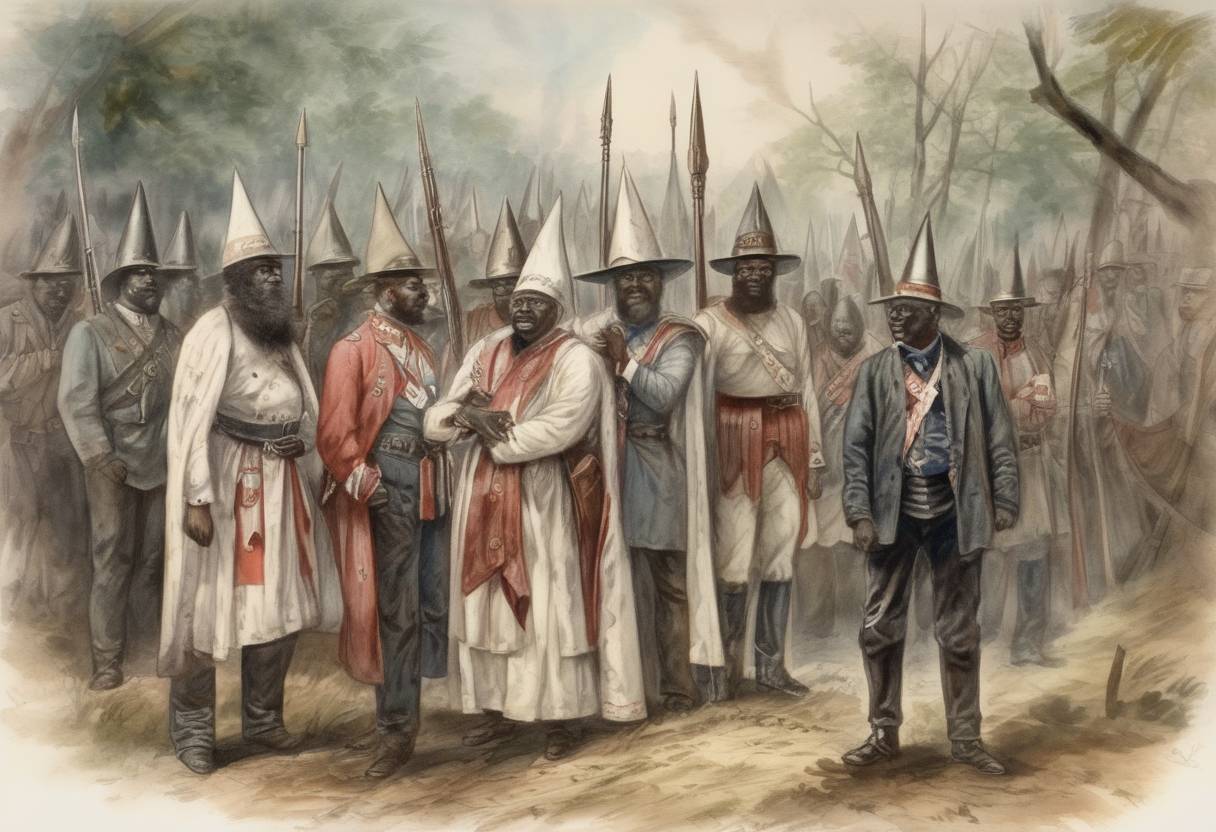
On December 24, 1865, the Ku Klux Klan (KKK) was founded in Pulaski, Tennessee, by a group of Confederate veterans. This clandestine organization emerged in the aftermath of the American Civil War, during the Reconstruction era, a period marked by significant social and political upheaval in the Southern United States.
Context and Formation
- Post-Civil War America: The Civil War had ended in 1865, leading to the abolition of slavery and the beginning of Reconstruction. This era aimed to rebuild the South and integrate formerly enslaved African Americans into society as free citizens with equal rights.
- Southern Resistance: Many white Southerners were resistant to these changes, particularly the empowerment of African Americans and the presence of Northern influences in Southern politics and society.
Founding Members
- The Klan was established by six Confederate veterans: John C. Lester, John B. Kennedy, James R. Crowe, Frank O. McCord, Richard R. Reed, and J. Calvin Jones.
- Initially, the Klan began as a social club, but it quickly evolved into a vehicle for white supremacist terrorism.
Objectives and Activities
- White Supremacy: The Klan sought to maintain white supremacy and resist the Reconstruction policies that aimed to establish racial equality.
- Violence and Intimidation: The organization became infamous for its violent tactics, including lynchings, beatings, and other forms of intimidation against African Americans, as well as white Republicans and other supporters of Reconstruction.
Impact and Legacy
- Reconstruction Undermined: The Klan’s activities significantly undermined the efforts of Reconstruction, contributing to the eventual withdrawal of federal troops from the South and the end of Reconstruction in 1877.
- Jim Crow Era: The Klan’s actions laid the groundwork for the establishment of Jim Crow laws, which enforced racial segregation and disenfranchised African Americans for decades.
- Resurgence: The Klan experienced several resurgences throughout the 20th century, notably in the 1920s and during the Civil Rights Movement of the 1950s and 1960s, each time promoting a platform of racial hatred and violence.
Broader Historical Significance
The founding of the Ku Klux Klan represents a dark chapter in American history, highlighting the challenges of achieving racial equality and the persistent resistance to social change. Its legacy is a reminder of the enduring struggle against racism and the importance of vigilance in protecting civil rights for all citizens.