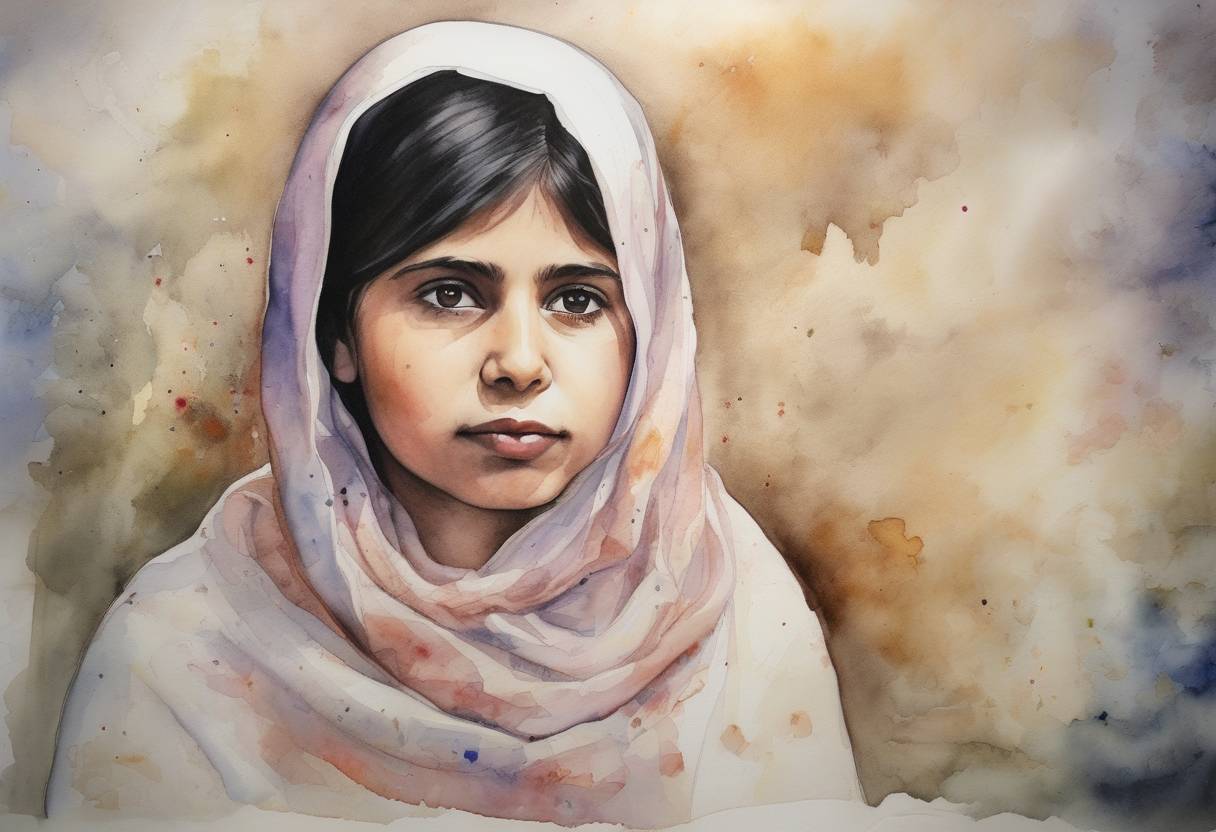
Sakharov Prize Awarded to Malala Yousafzai on October 22, 2013
On October 22, 2013, the European Union awarded the prestigious Sakharov Prize for Freedom of Thought to Malala Yousafzai. This recognition highlighted her courageous advocacy for girls’ education and her resilience in the face of violent opposition from the Taliban.
Background
Malala Yousafzai, born on July 12, 1997, in Mingora, Pakistan, became an international symbol of the struggle for girls’ education. Growing up in the Swat Valley, she was exposed to the Taliban’s oppressive regime, which sought to ban girls from attending school. Despite these threats, Malala began speaking out publicly about the importance of education for girls, writing a blog under a pseudonym for the BBC Urdu service.
The Attack and Its Aftermath
On October 9, 2012, Malala was targeted by the Taliban and shot in the head while riding a bus home from school. The attack was an attempt to silence her advocacy. However, Malala survived and was flown to the United Kingdom for medical treatment. Her recovery and continued activism brought global attention to the plight of girls denied education.
The Sakharov Prize
The Sakharov Prize for Freedom of Thought, established in 1988 by the European Parliament, honors individuals and groups who have dedicated their lives to the defense of human rights and freedom of thought. Named after Soviet dissident Andrei Sakharov, the prize underscores the EU’s commitment to human rights worldwide.
Significance of the Award
Awarding the Sakharov Prize to Malala Yousafzai was a powerful statement of support for her cause. It recognized her bravery and underscored the importance of education as a fundamental human right. The prize also amplified her voice on the global stage, encouraging international efforts to ensure education for all children, particularly girls in regions where they face significant barriers.
Broader Impact
Malala’s advocacy has had a lasting impact on global education initiatives. In 2014, she co-founded the Malala Fund with her father, Ziauddin Yousafzai, to champion every girl’s right to 12 years of free, safe, quality education. Her work continues to inspire activists and policymakers worldwide to prioritize education and gender equality.
Conclusion
The awarding of the Sakharov Prize to Malala Yousafzai on October 22, 2013, was a pivotal moment in the global fight for girls’ education. It not only recognized Malala’s personal courage and determination but also highlighted the ongoing struggle for educational rights in the face of adversity. Her story continues to inspire millions and serves as a reminder of the transformative power of education.