Malala Yousafzai: The Attack and Its Aftermath
On October 9, 2012, Malala Yousafzai, a 15-year-old Pakistani schoolgirl and education activist, was shot in the head by Taliban gunmen while riding a bus home from school in the Swat Valley, Pakistan. This event marked a pivotal moment in the global fight for girls’ education and brought international attention to the challenges faced by young girls in regions affected by extremist ideologies.
Background
Malala Yousafzai was born on July 12, 1997, in Mingora, Swat Valley, Pakistan. From a young age, she was an advocate for girls’ education, inspired by her father, Ziauddin Yousafzai, who ran a local school. In 2009, at the age of 11, Malala began writing a blog under a pseudonym for the BBC Urdu service, detailing her life under Taliban rule and her desire to continue her education despite the Taliban’s ban on girls attending school.
The Attack
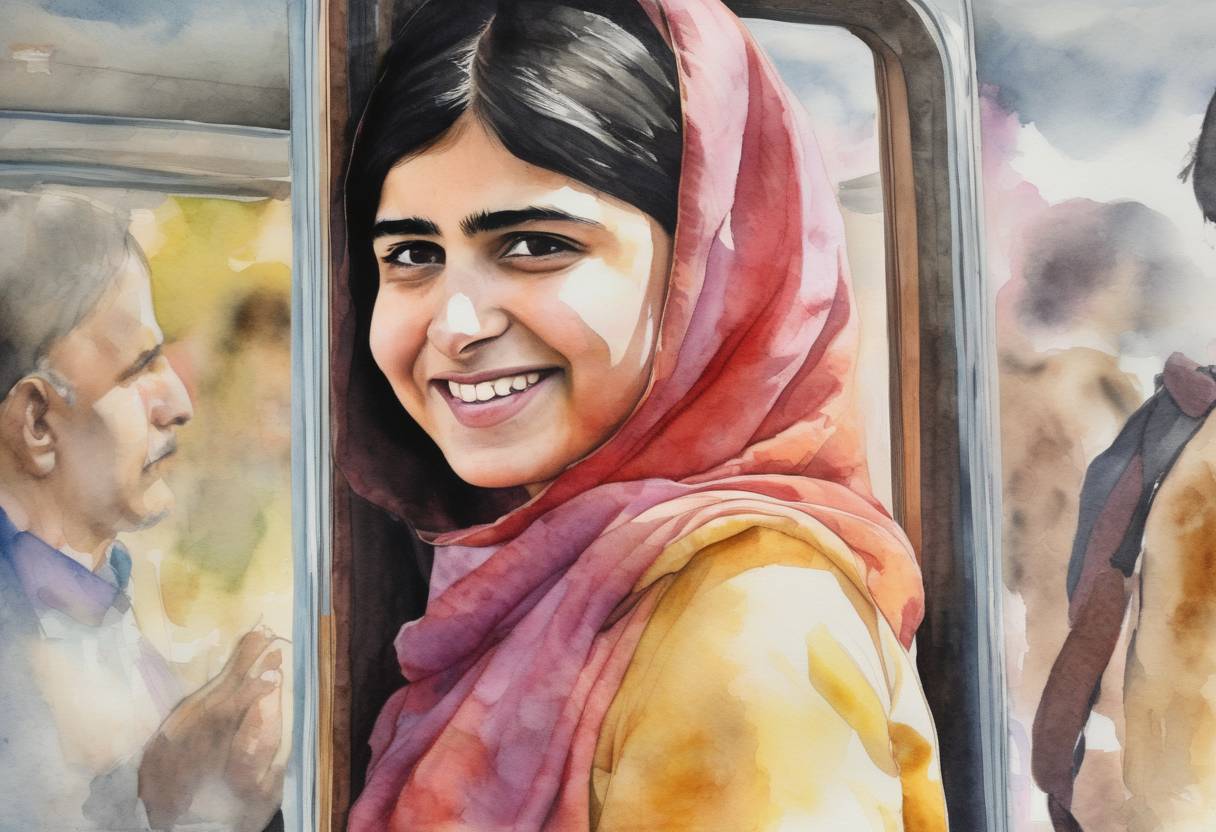
On the afternoon of October 9, 2012, Malala was on a bus returning home from school when Taliban gunmen stopped the vehicle. They boarded the bus and asked for Malala by name before shooting her in the head. Two other girls were also injured in the attack. The Taliban claimed responsibility, stating that Malala was targeted for promoting “Western thinking.”
Malala was critically injured and was initially treated in Pakistan. Due to the severity of her injuries, she was later transferred to the Queen Elizabeth Hospital in Birmingham, United Kingdom, for further treatment. The attack sparked outrage and condemnation worldwide, with numerous countries and organizations expressing solidarity with Malala and condemning the Taliban’s actions.
Global Impact and Advocacy
Malala’s survival and recovery were seen as miraculous, and she quickly became a symbol of resilience and the fight for girls’ education. In 2013, she co-authored the memoir “I Am Malala,” which further highlighted her story and the broader issues of education and women’s rights.
In 2014, Malala Yousafzai was awarded the Nobel Peace Prize, becoming the youngest-ever laureate at the age of 17. She shared the prize with Kailash Satyarthi, an Indian children’s rights activist. The Nobel Committee recognized their “struggle against the suppression of children and young people and for the right of all children to education.”
Legacy
Malala continues to be a prominent advocate for education and women’s rights through the Malala Fund, an organization she co-founded to support education initiatives worldwide. Her story has inspired millions and has brought significant attention to the importance of education for girls, particularly in regions where access to education is limited by cultural, political, or economic barriers.
Malala’s courage and advocacy have made her a global icon, and her efforts continue to influence policy and inspire young activists around the world. Her story is a testament to the power of resilience and the impact one individual can have on the world.