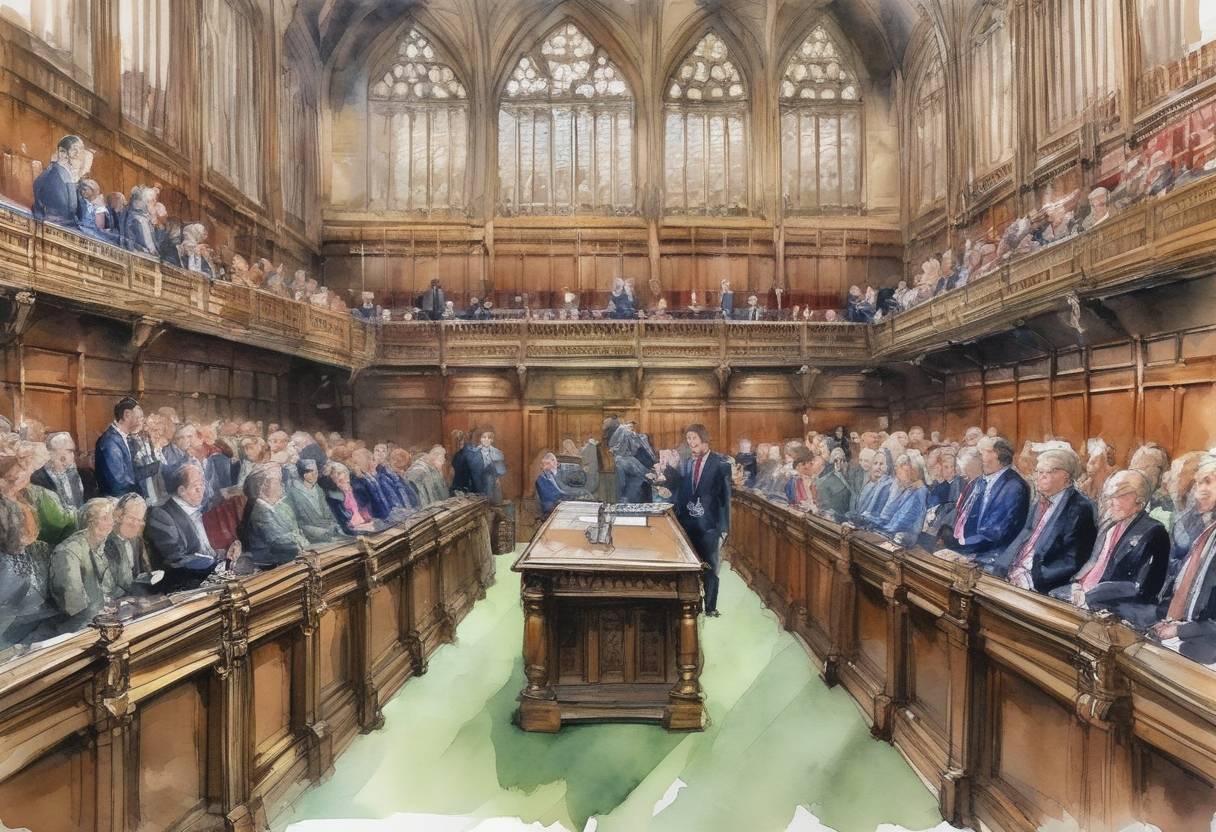
The UK House of Commons Passes Bill to Prevent No-Deal Brexit
On April 5, 2019, the United Kingdom’s House of Commons passed a significant bill aimed at preventing a no-deal Brexit. This legislative move required the Prime Minister to seek an extension to the Brexit deadline, reflecting the intense political maneuvering and divisions within the UK Parliament over the country’s departure from the European Union.
Context Leading Up to the Bill
The Brexit process, initiated by the 2016 referendum in which 52% of voters opted to leave the EU, had been fraught with challenges. The original deadline for the UK to exit the EU was March 29, 2019. However, the UK Parliament repeatedly rejected the withdrawal agreement negotiated by then-Prime Minister Theresa May, leading to a political impasse.
As the deadline approached, concerns over a no-deal Brexit—where the UK would leave the EU without any agreements in place regarding future relations—intensified. A no-deal scenario was feared to have potentially severe economic and logistical consequences for both the UK and the EU.
Key Events on April 5, 2019
Passage of the Bill: The bill, known as the Cooper-Letwin Bill, was introduced by Labour MP Yvette Cooper and Conservative MP Oliver Letwin. It was designed to prevent a no-deal Brexit by legally obligating the Prime Minister to request an extension of the Brexit deadline from the EU.
Parliamentary Support: The bill passed by a narrow margin, reflecting the deep divisions within Parliament. It was supported by a coalition of MPs from different parties who were united in their opposition to a no-deal Brexit.
Prime Minister’s Position: At the time, Prime Minister Theresa May was engaged in negotiations with the EU to secure an extension. The bill effectively limited her options, ensuring that a no-deal Brexit could not occur without parliamentary approval.
Aftermath and Consequences
Extension Granted: Following the passage of the bill, the EU agreed to extend the Brexit deadline to October 31, 2019. This provided additional time for the UK government to seek a resolution to the Brexit deadlock.
Political Implications: The bill highlighted the lack of consensus within the UK government and Parliament regarding Brexit. It underscored the challenges faced by Prime Minister May in navigating the complex political landscape.
Long-term Impact: The passage of the bill was a pivotal moment in the Brexit process, demonstrating the power of Parliament to influence the course of Brexit negotiations. It set a precedent for parliamentary intervention in the executive’s handling of Brexit.
In summary, the April 5, 2019, passage of the bill to prevent a no-deal Brexit was a critical juncture in the Brexit saga, reflecting the deep political divisions and the complexities of the UK’s withdrawal from the EU.