Lithuania Declares Independence from the Soviet Union
1990 · Vilnius, Lithuania
Lithuania declared independence from the Soviet Union, becoming the first Soviet republic to do so.
January 13, 1991
Soviet troops storm the Vilnius TV Tower in Lithuania amidst the escalating conflict between the Soviet government and Lithuanian independence supporters. This event becomes a pivotal moment in Lithuania's eventual independence from the Soviet Union.
Vilnius, Lithuania | Soviet Union
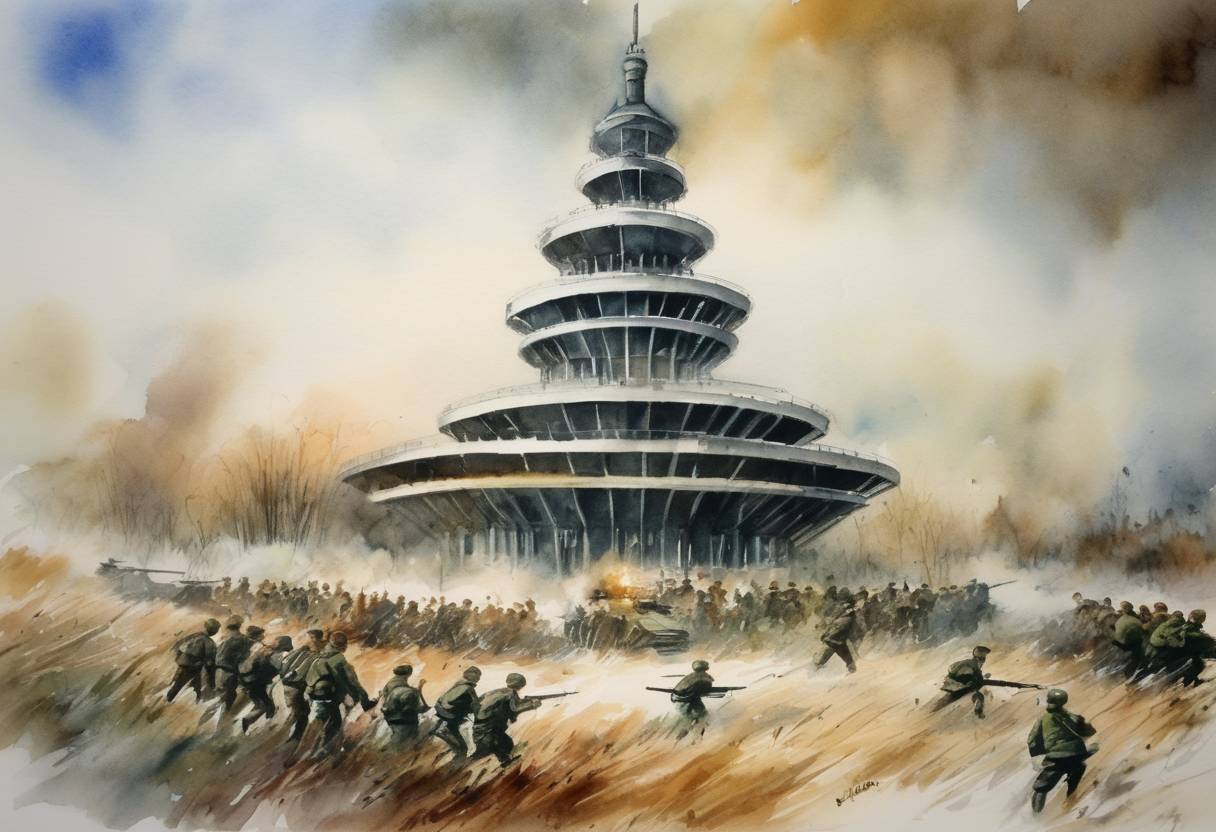
On January 13, 1991, in an event that significantly marked Lithuania’s path to independence, Soviet troops initiated a violent assault on the Vilnius TV Tower. This attack occurred amidst growing tensions between the Soviet Union’s central government and Lithuanian independence proponents. Lithuania had declared its independence from the Soviet Union on March 11, 1990, but the Kremlin did not recognize this declaration and sought to reassert its control over the region.
By late 1990, with the wave of independence movements sweeping across the Baltic states, Lithuania’s resolve for complete autonomy from Soviet rule had intensified. The Soviet Union, led by President Mikhail Gorbachev, was undergoing significant internal changes with policies like perestroika and glasnost. Nevertheless, Gorbachev and the hardliners in his government were determined to maintain the integrity of the Soviet state, particularly in regions vital for their strategic importance and resources.
In response to Lithuania’s assertive steps toward independence, including the establishment of its own institutions and the implementation of laws diverging from Soviet legislation, Moscow imposed economic blockades. As tensions escalated, Soviet authorities sent paratroopers and other forces into Vilnius and other critical regions, upping the ante in their efforts to quell the secessionist movement.
On the night of January 12 and into January 13, Soviet Army units, including paratroopers and special forces, surrounded key installations in Vilnius, among them the Vilnius Television Tower and the Lithuanian Radio and Television Committee building. The assault on the TV tower began in the early hours of January 13. Soviet troops used tanks and armored vehicles to break the resistance of unarmed Lithuanian civilians who had formed human barricades in an attempt to protect the tower.
The soldiers fired live ammunition and deployed tear gas to disperse the crowd, resulting in at least 14 fatalities and injuring hundreds more. The brutal crackdown was aimed at cutting off the broadcast of Lithuanian television, which was crucial for communicating the independence movement’s messages to both the local and international audience. Despite this, the broadcasts were quickly relayed by kindred stations, spreading news of the aggression worldwide.
The violent crackdown only galvanized further support for Lithuania’s independence movement, both domestically and internationally. The global community, witnessing the events unfold through international media, largely condemned the Soviet actions. The bloodshed at Vilnius erected a critical moral standpoint, drawing ties with the broader struggles for independence across Eastern Europe.
The event strengthened the resolve of Lithuanian citizens and their leadership. It became a pivotal moment in Lithuania’s eventual path to recognized independence. A few months later, following the failed August Coup in Moscow, Lithuania’s independence was officially recognized on September 6, 1991, by the State Council of the Soviet Union, effectively signaling the dissolution of Soviet authority in the Baltic states.
The storming of the Vilnius TV Tower remains a poignant symbol of Lithuania’s fight for freedom, commemorated annually as a day of remembrance for those who lost their lives in pursuit of their nation’s sovereignty.
Source: www.bbc.com