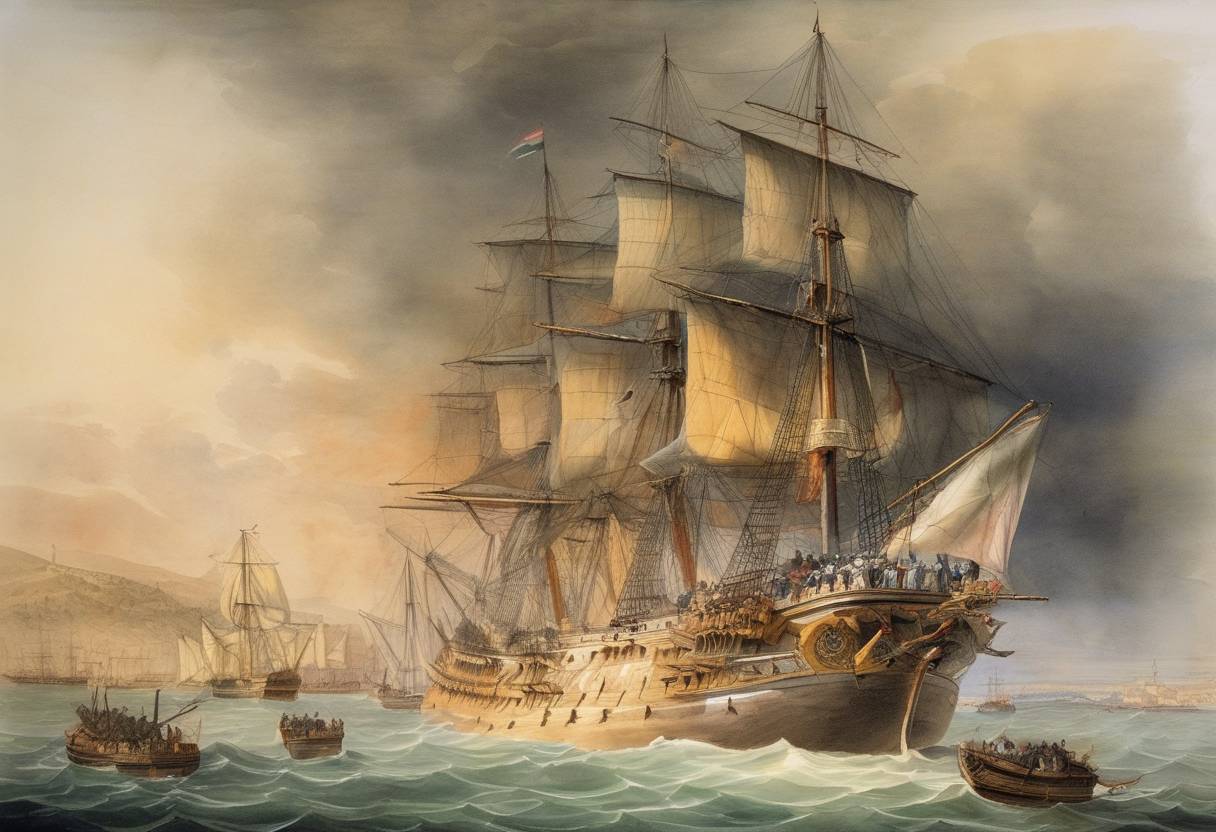
Treaty of the Dardanelles (January 5, 1809)
The Treaty of the Dardanelles, signed on January 5, 1809, was a significant diplomatic agreement between the British Empire and the Ottoman Empire. The treaty effectively ended the Anglo-Turkish War of 1807–1809, which had its roots in the broader context of the Napoleonic Wars in Europe and the complex alliances and hostilities they inspired.
Background
Context of the Conflict
The Anglo-Turkish War emerged partly due to the Ottoman Empire aligning with France as part of its strategic positioning during the Napoleonic Wars. This alliance threatened British interests, particularly concerning Ottoman control over strategic waterways, including the vital Dardanelles Strait.
The British naval blockade and subsequent military maneuvers aimed to impair Ottoman capabilities and influence its foreign policy directions. However, both empires soon realized the mutual benefits of aligning against the common threat posed by France.
Key Provisions of the Treaty
Demilitarization
- One of the core components of the Treaty was the reaffirmation of the demilitarized status of the Dardanelles Strait. This was crucial for ensuring the free passage of ships and maintaining the balance of power in the region.
Borders and Sovereignty
The Treaty reaffirmed the borders as established in previous treaties, ensuring stability in the region and acknowledging the sovereignty and territorial integrity of the Ottoman Empire.
It underscored the importance of the traditional Ottoman control over the straits, alongside recognizing British commercial and strategic interests.
Aftermath and Historical Significance
Diplomatic Relations
- The signing of the Treaty of the Dardanelles marked the resumption of amicable diplomatic relations between the British and Ottoman empires. It laid a foundation for future cooperation, particularly as both empires faced the ongoing challenges posed by Napoleonic France.
Strategic Importance
- The stipulations about the Dardanelles Strait had long-standing implications for international maritime law and the governance of strategic waterways, influencing diplomatic negotiations in the region for decades.
The Treaty of the Dardanelles exemplified the intricate balance of power politics during a tumultuous period of European history and highlighted the strategic importance of maintaining navigable waterways free from military interference.