End of the Ebola Virus Outbreak in Mali
2015 · Bamako, Mali
The World Health Organization declares the end of the Ebola virus outbreak in Mali, marking a significant step in containing the epidemic in West Africa.
March 16, 2019
At least forty people were killed in an attack in Fulani village, Ogossagou, in central Mali, marking a significant event in the ongoing ethnic violence between the Dogon hunters and Fulani herders.
Ogossagou, Mali | No specific organization was identified as responsible.
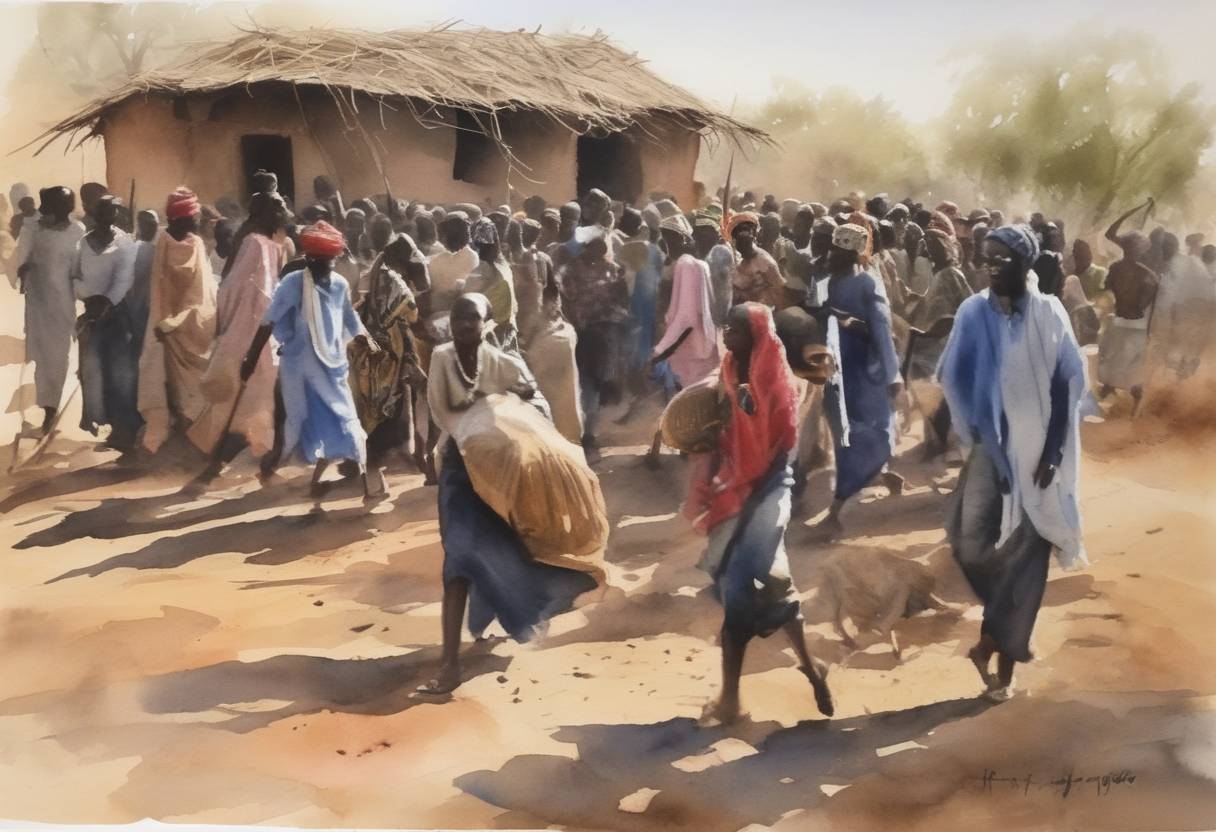
On March 16, 2019, a violent attack took place in the Fulani village of Ogossagou, located in central Mali. This assault marked a grim episode in the ongoing ethnic conflict between the Dogon hunters and Fulani herders, resulting in the tragic loss of at least forty lives. The attack highlighted the severe ethnic tensions and insecurity issues plaguing the region.
Central Mali has been a hotbed of ethnic violence, primarily between the Dogon, traditionally agriculturalists, and the Fulani, who are largely herders. This conflict is rooted in competition over land and water resources but has been exacerbated by the proliferation of weapons and the presence of various armed groups in the region.
The complexity of the conflict has been intensified by the involvement of Islamist militants taking advantage of the tensions to gain a foothold in the area. The Malian government has struggled to maintain control and has often failed to effectively address the underlying causes of the violence or protect vulnerable communities.
On the morning of March 16, armed assailants, reportedly affiliated with a Dogon militia group, descended on the village of Ogossagou. They attacked the Fulani residents, resulting in the deaths of at least forty individuals. According to local sources and eyewitnesses, the attackers also set fire to homes, destroyed livelihoods, and caused widespread panic among the surviving villagers.
The village was caught largely unprepared, with many victims being women, children, and elderly people unable to defend themselves or flee. The brutality of the attack was widely condemned, drawing attention to the dire need for security interventions and reconciliation efforts within the region.
This massacre in Ogossagou was not an isolated incident but part of a series of violent confrontations in central Mali, reflecting the deep-seated ethnic animosities. In the wake of the attack, the Malian government faced mounting pressure from both domestic and international entities to address the violence and hold perpetrators accountable.
International organizations, including the United Nations, condemned the attacks and called for thorough investigations. The Malian authorities launched inquiries and pledged to enhance security measures, though the cycle of violence continued amid criticisms of insufficient governance and military presence.
The Ogossagou attack underscored the fragile security environment in Mali and the Sahel region more broadly. It highlighted the challenges faced by the Malian government in curbing ethnic conflicts and combating extremism, which collectively undermine regional stability.
Efforts to promote dialogue and reconciliation between ethnic groups have been emphasized as critical to achieving lasting peace. The attack served as a poignant reminder of the urgent need for comprehensive strategies addressing not only security but also the socioeconomic root causes fueling the conflict.
Source: www.bbc.com