Hamida Djandoubi: The Last Guillotine Execution in France
1977 · Marseille, France
Hamida Djandoubi, a Tunisian immigrant convicted of murder, became the last person to be executed by guillotine in France.
March 10, 1762
French Huguenot Jean Calas was executed in Toulouse, France, on charges of murdering his son to prevent his conversion to Catholicism. This controversial case was later championed by Voltaire and led to a campaign for religious tolerance and reform of the French justice system.
Toulouse, France | French judiciary
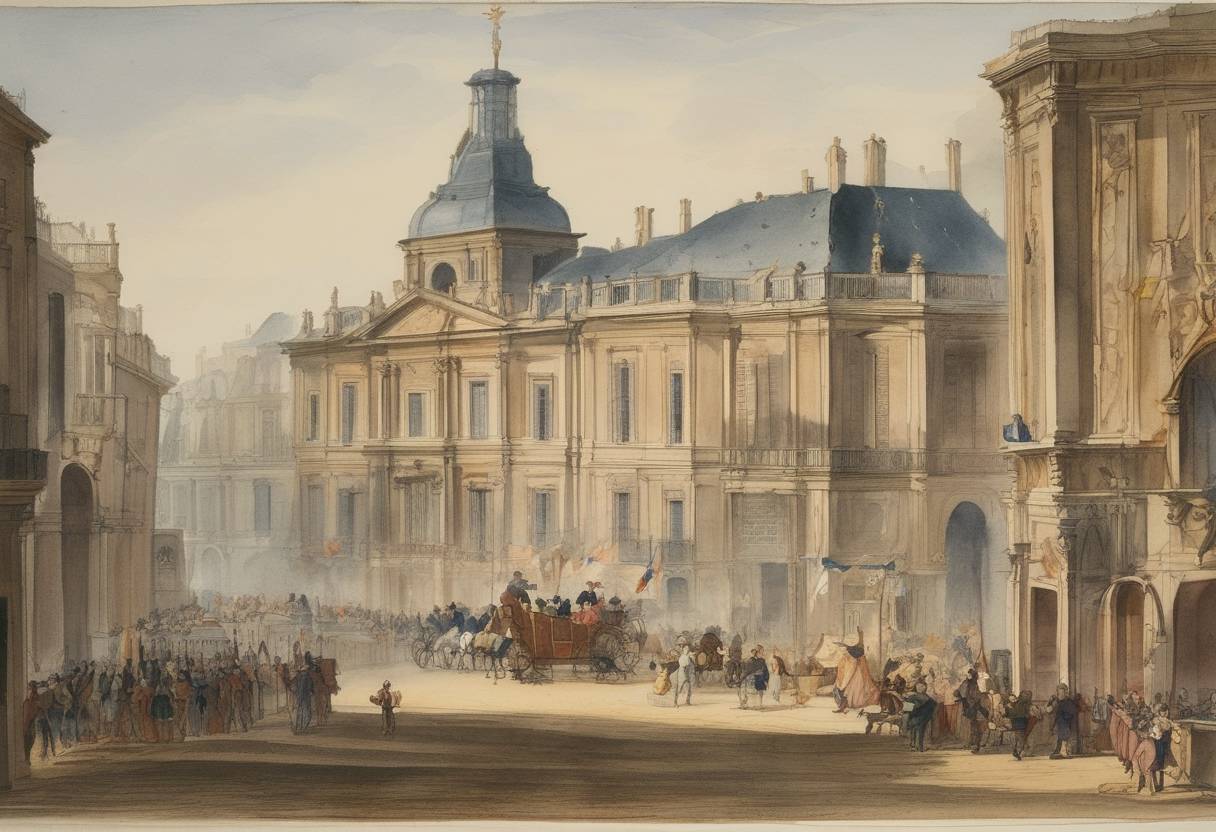
Jean Calas, a French Protestant of the Huguenot faith, faced execution on March 10, 1762, in Toulouse, France, amidst accusations that would later stir a significant controversy over religious intolerance and judicial abuse. The case centered around the death of his son, Marc-Antoine Calas, who died under mysterious circumstances in the family home in October 1761.
The Calas family was part of the small Protestant community in predominantly Catholic France. Religious tensions had long been a source of conflict, particularly after the Edict of Nantes was revoked in 1685, leading to increased persecution of Huguenots. In this environment, any non-Catholic practices or beliefs were viewed with suspicion.
Marc-Antoine was found dead by hanging, and the initial assumption was suicide. However, the Catholic-leaning authorities and the local populace quickly framed the death as a murder committed by his father, Jean, to prevent Marc-Antoine’s supposed conversion to Catholicism. Despite a lack of concrete evidence, and in part due to the anti-Protestant sentiment pervasive in the region, Jean Calas was accused, tried, and found guilty of murder.
On March 10, 1762, Jean Calas was executed by breaking on the wheel, one of the most brutal forms of capital punishment at the time. His execution was intended as a public demonstration of the consequences of defying Catholic orthodoxy. Jean maintained his innocence until his death.
Voltaire, one of the leading figures of the Enlightenment, became deeply involved in the Calas case after learning of the details and alleged miscarriages of justice. He launched a relentless campaign to posthumously exonerate Calas, using his influence to highlight the case’s injustices and promote religious tolerance. Voltaire’s writings and advocacy were instrumental in galvanizing public opinion and bringing about criticism of the French court system.
Due in large part to Voltaire’s efforts, the case was re-examined, leading to Jean Calas’ exoneration in 1765. The Calas affair significantly contributed to the discourse on religious freedom and highlighted the need for reform in the French judicial system. It is seen as a pivotal moment in the path towards greater tolerance and the eventual emergence of a more secular legal framework in France.
The Calas case remains a poignant example of the impact that public intellectuals can have on society and their role in promoting justice and reform.
Source: www.britannica.com